How the Exness Partner Programme and Backcom Work
Exness pays IBs a Partner Reward based on client trading volume. How referral links are tracked, where backcom comes from, and how to claim it with oc9jb1aix4.
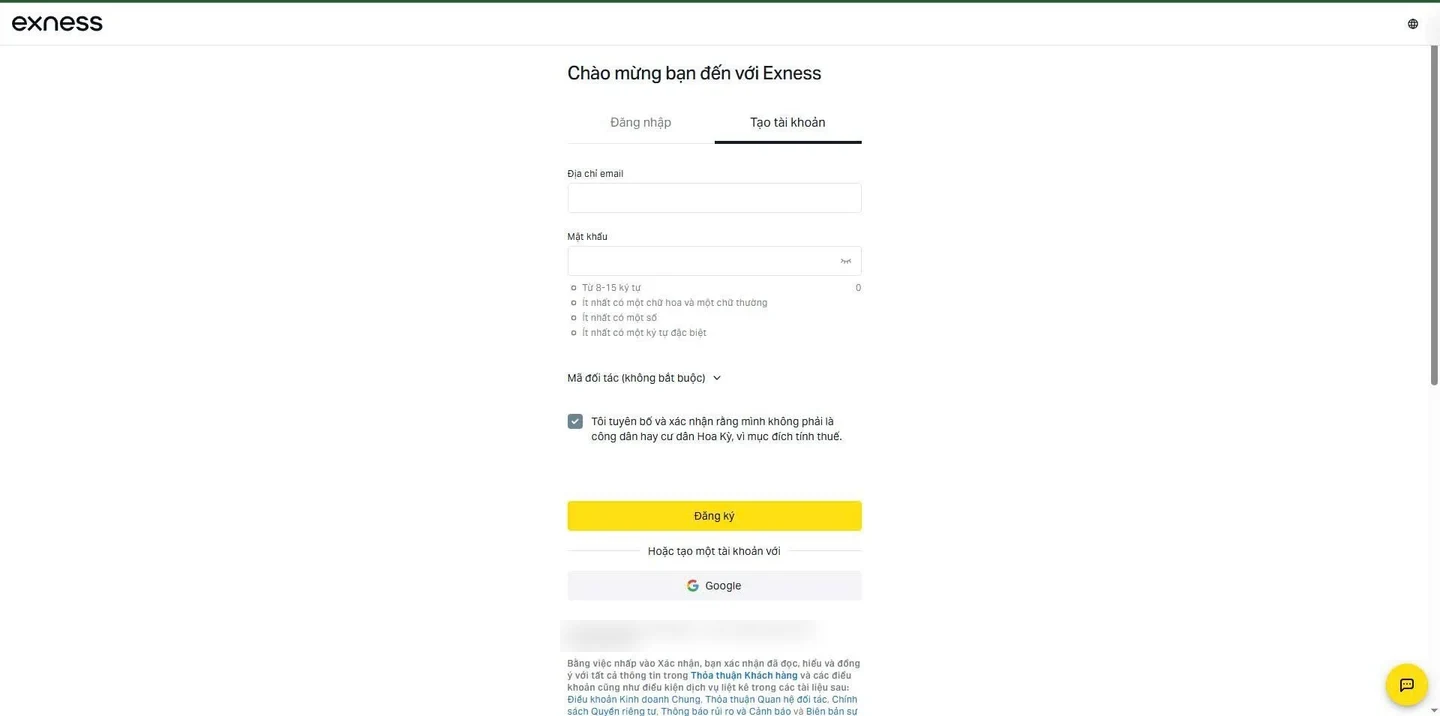
Traders have two ways to get an Exness account: sign up directly on the broker's website, or go through a referring partner's link. From the trader's side the two routes look almost identical, since the trader still uses Exness, keeps control of the money and trades on MT4 or MT5. The difference sits at system level: an account opened through a partner is flagged by Exness as that partner's client, and from then on the broker starts calculating commission.
That flagging and calculation is the Exness partner mechanism. Through it, the broker knows which IB brought in which client, calculates the Partner Reward from qualifying trades, and the partner can pass part of it back to the client as backcom. The sections that follow go through each stage in turn and then explain how to receive Exness backcom through BackcomHub.
The three parties in the IB model
The Exness IB (Introducing Broker) model has three parties. Exness provides the trading platform and also runs the partner programme. The IB is a person or company that brings clients to the broker through a personal link, while the client is the one who opens the account, deposits, withdraws and places trades.
The IB's scope is fairly narrow: referring clients and supporting them under the IB's own policy. As a result, signing up through an IB does not give the partner access to the client's MT4/MT5 login, nor does it let the partner hold funds or trade on the client's behalf.
The relationship between the three parties can be written as a chain, and the chain gains an extra link when the IB runs a backcom programme:
- without backcom: the IB refers the client → the client trades on Exness → Exness pays the IB a Partner Reward;
- with backcom: Exness → Partner Reward → IB → backcom → client.
In other words, what the client receives always passes through the IB first. Its size therefore depends on how much the IB gets from the broker and how much it shares back.
From referral link to Partner Reward
Exness gives each IB its own partner link. The link does two jobs at once: it takes the user to the broker's sign-up page, and it tells the system where the client came from.
When a trader opens an account through an IB's link, the account can be placed in that IB's network. Once the trader completes the required steps and starts trading, Exness tracks qualifying activity to calculate the partner's Partner Reward.
This commission is not based on the amount deposited. A client who deposits a large sum but has not traded yet earns the IB no percentage of that deposit, because the Partner Reward is tied to trading and to the commission structure of each account type.
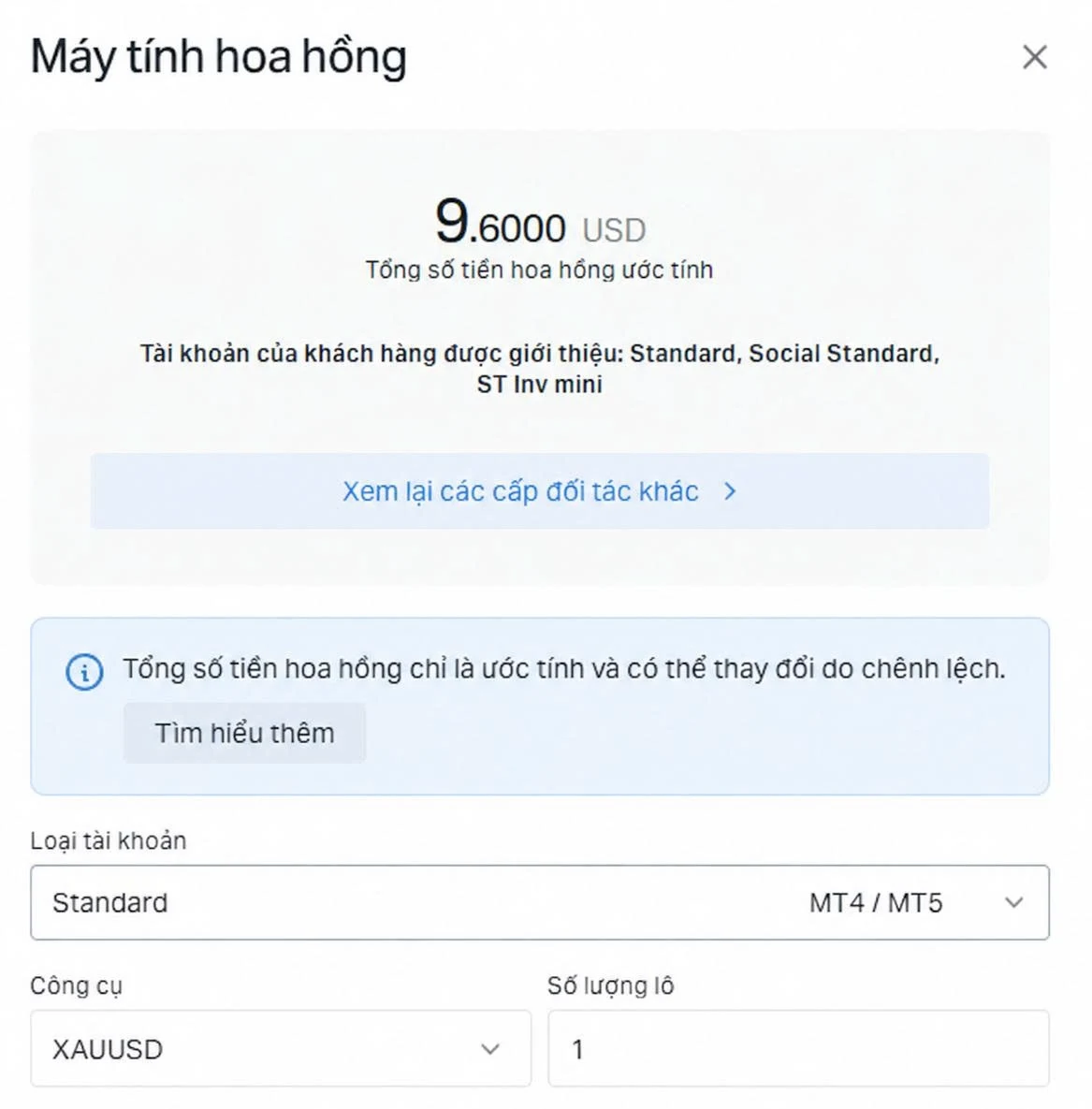
The calculation also changes with the account type. On Standard, Standard Cent and some other groups, the reward can be linked to the spread (the gap between buy and sell prices) and the partner's reward rate, while Raw Spread and Zero use a different structure. That is why the question "how much does an IB earn per lot" only has an answer once the account type and symbol are known, as the commission calculator in the screenshot shows.
The IB's level matters as well. Exness ranks partners by how their whole client network performs, and higher ranks usually come with better commission. This explains why two IBs referring clients to Exness can still receive different Partner Rewards.
Where backcom comes from
Backcom is not a separate pot of money outside the partner programme. It is carved out of the Partner Reward the IB receives.
A simple example makes this clear. Suppose that, once the system has done its calculation, a batch of trades generates 10 USD of Partner Reward for the IB. If the IB shares 70%, the client receives 7 USD of backcom; if it shares 100%, the full 10 USD covered by the programme goes to the client.
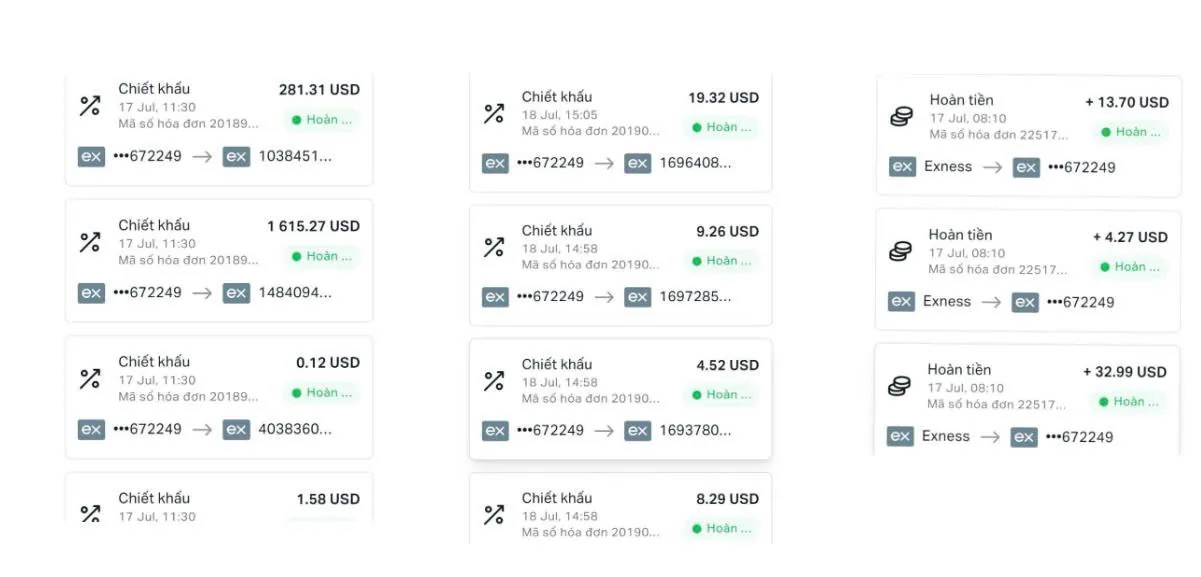
This sharing model explains why each IB pays a different level of backcom. Some keep a portion to fund their operations, while others choose to pass a larger share to clients.
It follows that backcom is best seen as a way to cut trading costs, not as a separate source of profit. If a trader pushes up volume only to collect more rebate, the account's risk rises in step.
BackcomHub in the Exness partner network
BackcomHub is an IB of the brokers listed on the site, Exness among them, and receives IB commission from them; the backcom paid to traders comes out of that same commission. Rates are listed as a fixed USD amount per executed lot, split by account group and by symbol, and are paid daily.
| Item | Current details |
|---|---|
| Partner | BackcomHub |
| Exness partner code | oc9jb1aix4 |
| Account groups with rebates | Standard & Cent, Pro, Raw & Zero |
| Calculation | Fixed USD per executed lot, by symbol |
| Payout cycle | Daily |
| Figures dated | 20/11/2026 |
The next table shows rates for some typical symbols from the BackcomHub rebate table dated 20/11/2026, in USD per lot:
| Symbol | Standard & Cent | Pro | Raw & Zero |
|---|---|---|---|
| EUR/USD | 3.2 | 1.49 | 0.87 |
| GBP/USD | 3.99 | 1.75 | 1.12 |
| Gold XAU/USD | 9.6 | 4.2 | 3 |
| Oil USOIL | 5.6 | 2.49 | 2.37 |
| BTC/USD (CFD) | 2.55 | 1.12 | 1.75 |
Standard & Cent rates are much higher because that group's base cost sits in a wider spread, so traders should compare net cost rather than the rebate figure alone. The full table for every symbol is in Exness rebates.
Beyond the rate, the payment method is worth checking closely when comparing IBs. Some programmes route the rebate through Exness's own mechanism straight into the trading account, while others have the IB compile the figures and transfer the money through a separate channel. Traders unsure where and when their rebate arrives can ask BackcomHub via the Telegram or email listed on the home page before trading.
Opening an Exness account through BackcomHub
When a trader signs up through the Exness link on BackcomHub, the account enters the referral system, so qualifying trades are recorded for the partner programme. If the account meets the backcom conditions in force, the matching share of the Partner Reward is passed back to the trader according to the rate table.
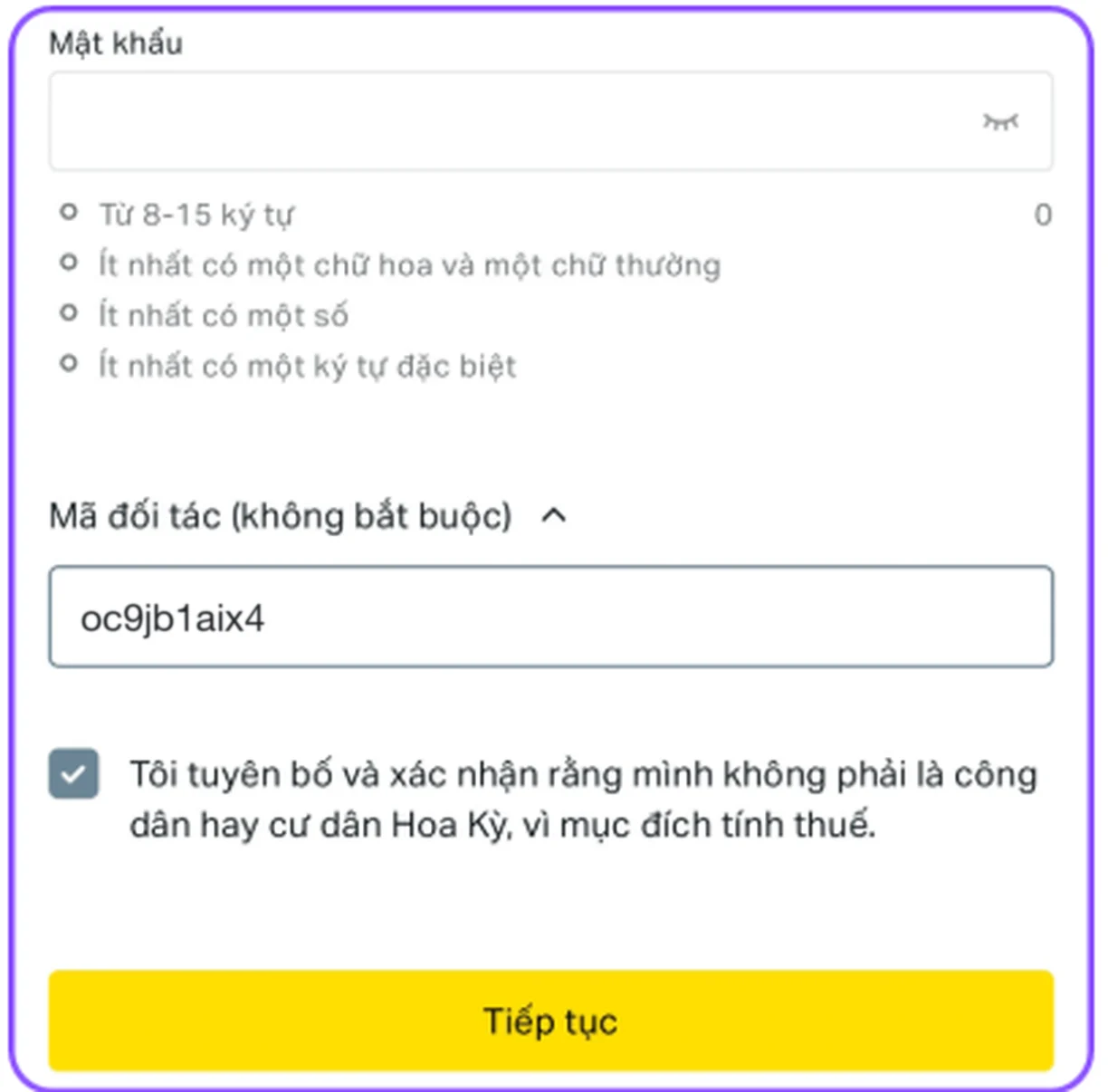
New clients enter the code oc9jb1aix4 in the partner code field on the sign-up form, then send their trading account number to BackcomHub to switch on the rebate. Throughout, the trader deals directly with Exness: the money stays in the Exness account, trades run on MT4/MT5, and security details stay with the trader. BackcomHub acts only as the partner and a support channel when the trader needs to check the account link, ask about the backcom policy or sort out an issue with signing up through an IB.
For existing Exness clients, the first step is to check which partner the account is linked to, since an older account may belong to another IB. In that case the trader needs to request a partner change to BackcomHub: open the live chat in the Exness app, type "Thay đổi đối tác" (change partner) and fill in the form the bot sends back.
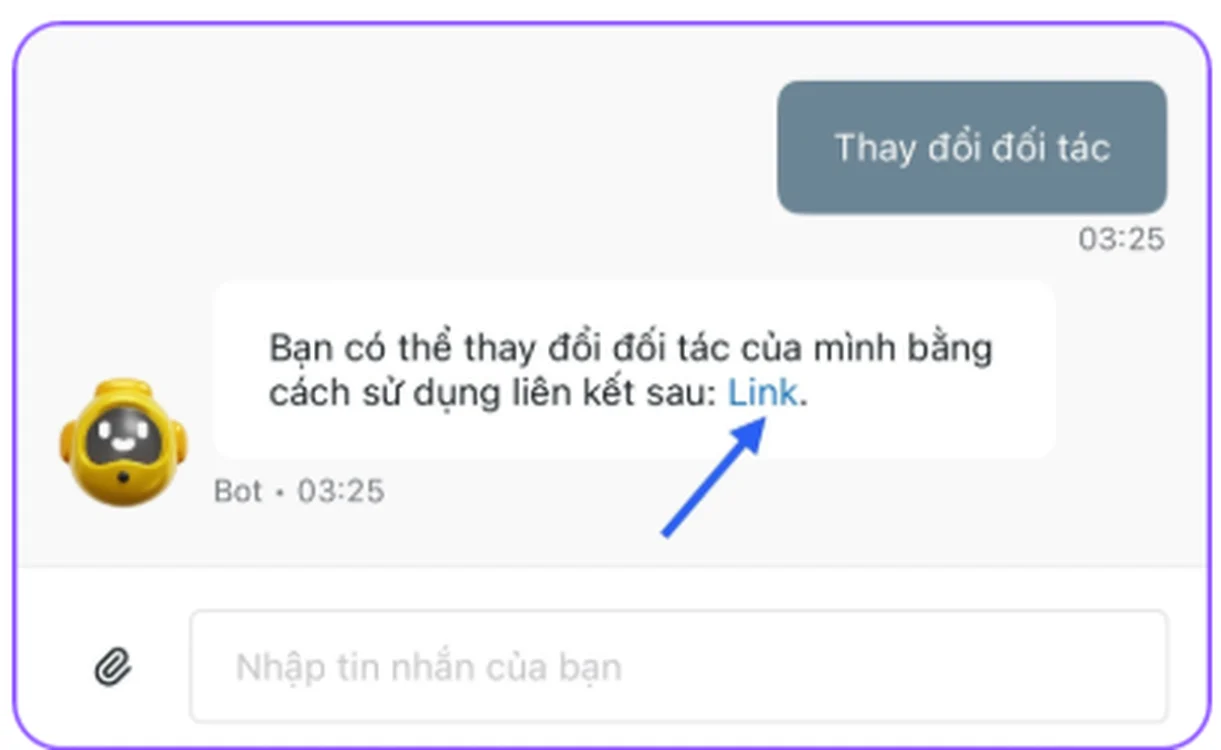
Once Exness approves, the trader opens a new trading account, because accounts opened before the change stay with the previous partner. The step-by-step process is in the guide on switching IB, and BackcomHub helps via the Telegram or email on the home page.
What to check before joining
A good backcom programme is about more than the percentage in the advert. What decides whether a rebate is transparent is how it is calculated and how it is paid, so before signing up traders should clarify:
- Share or rate: 100%, another share or a fixed USD amount, and what it is calculated on.
- Account type: Standard, Standard Cent, Pro, Raw Spread or Zero.
- Payment method: automatic or transferred manually by the IB.
- Cycle: daily, weekly or monthly.
- Where the money lands: straight into MT4/MT5 or via a wallet or other intermediary channel.
- Conditions: any limits on products, volume or trade types.
- Security: an IB needs no password, OTP or email access to calculate backcom.
An IB that asks for a password or OTP code is a reason to stop immediately. To calculate backcom, a partner needs only the trading account number, since every other figure already sits in Exness's system.
Does trading change
Linking an account to an IB does not change the principles of money management or market risk. Traders still choose when to enter, decide the volume and bear the profit or loss. The Partner Reward is calculated at the partner-system level and backcom is the payment made afterwards, so there is no need to change strategy just because the account sits under an IB.
With the same trading plan, adding backcom means the cost after each trade is somewhat lighter. By contrast, opening extra trades just to generate commission and collect more rebate usually makes costs and risk grow faster than the money returned.
The most sensible view, therefore, is to treat backcom as a benefit that comes with the partner mechanism. It is an extra reward for trades already planned, not a reason to trade more.
Key points
The Exness partner mechanism runs in a loop: the IB refers the client, Exness records the trades, the broker calculates the IB's Partner Reward, and part of that commission can return to the client as backcom. IBs differ in partner level, in the Partner Reward they receive and in how much they share with clients.
Traders who want Exness backcom through BackcomHub open an account with code oc9jb1aix4, or request a partner change if they already have one, and then check the current rates in the BackcomHub rebate table. Whatever the amount, the rebate does not make market risk any smaller.
Sources
- BackcomHub rebate table, Exness figures dated 20/11/2026, data from dctoptrade.vn
- DCtoptrade, "Backcom Exness và cách nhận" (how to change partner at Exness): https://dctoptrade.vn/kien-thuc/backcom-exness/
- DCtoptrade (screenshots): https://dctoptrade.vn/
- Exness, official website: https://www.exness.com/