How Binance Backcom Works
Binance backcom refunds part of Spot and Futures fees through a referral partner. How it works, how to sign up, what to do with an old account and the risks.
Many traders on Binance focus entirely on entries and strategy, while trading fees are quietly deducted from the account after every fill. For anyone who trades often or in large size, those fees add up over a month and can take a meaningful share of profit. Binance backcom draws attention precisely because it lets traders recover part of the fees they have paid, using the same rebate mechanism that many other crypto exchanges also apply.
The sections that follow explain what Binance backcom is, how it is calculated with a worked example, what it changes and what it leaves alone, how to sign up both for new users and for those who already have an account, and which risks a fee rebate cannot cover. BackcomHub currently has no rebate programme with Binance, so the content explains the mechanism only and carries no BackcomHub code or rate.
What Binance backcom is
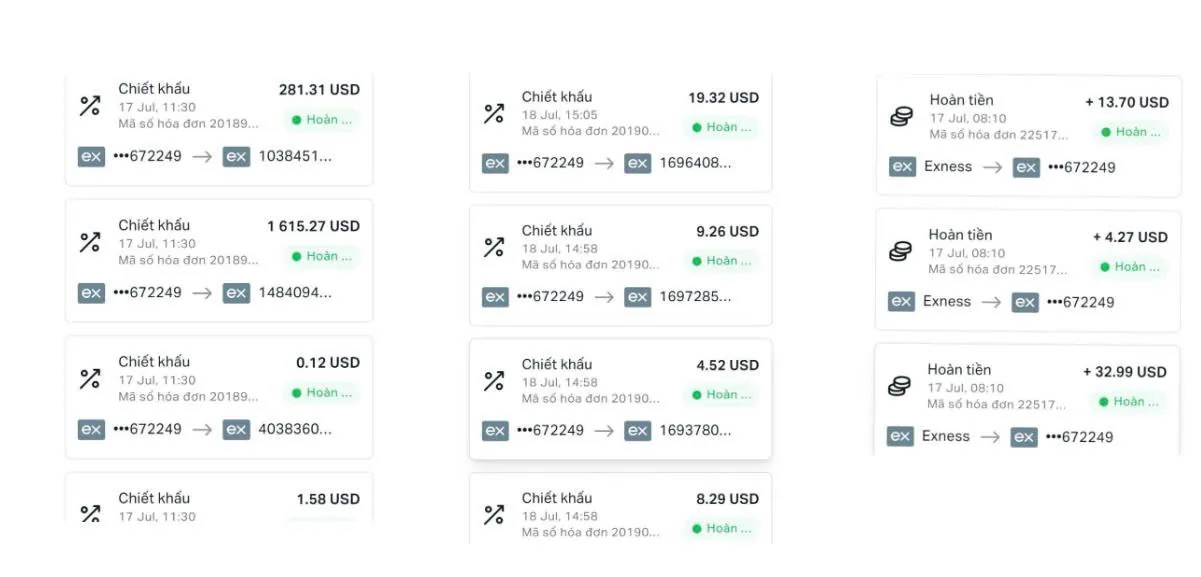
Backcom is short for "back commission", meaning that part of the trading fee is returned to the trader. The mechanism exists at both forex brokers and crypto exchanges, and it always runs through an intermediary called an IB (introducing broker), a partner that refers clients to the exchange. The exchange pays the IB part of the fees generated by referred clients, and the IB then passes part of that amount back to the traders themselves. How the money moves between each party is covered in detail in the guide what is backcom.
Applied to Binance, backcom is a fee rebate for traders on that exchange. When a Binance account is linked to a valid IB at the moment of registration, every later filled order generates a refund for the trader. The exact rate is published by each IB, so traders should confirm it before signing up.
To check whether a rebate is correct, a trader needs to know the base fee being paid. Binance publishes its Spot and Futures fees on the official Fee Schedule page, which is the reference for checking any backcom calculation.
A worked example
A concrete calculation shows how backcom affects cost. Suppose a trader places a Spot order on Binance to buy 0.5 BTC when the price is 60,000 USDT per BTC. The trade value is then 0.5 × 60,000 = 30,000 USDT. For a regular user account, the Spot fee is 0.1% of the order value, which comes to 30,000 × 0.1% = 30 USDT.
The rebate equals the base fee multiplied by the rebate share the IB applies. The table uses a few hypothetical shares for illustration; they are not the rates of any particular programme:
| Hypothetical rebate share | Base fee | Rebate | Net fee paid |
|---|---|---|---|
| 10% | 30 USDT | 3 USDT | 27 USDT |
| 20% | 30 USDT | 6 USDT | 24 USDT |
| 30% | 30 USDT | 9 USDT | 21 USDT |
At a hypothetical 20%, the trader pays 30 USDT in fees and receives 6 USDT back, so the real fee on the order falls to 24 USDT. On a single trade the amount is small, but the savings accumulate with every order, so for frequent or high-volume traders it becomes a significant figure after a few months.
Benefits and what stays the same
Backcom is more than simply "getting money back". The rebate has several features that suit long-term traders, and there are also things it does not touch at all:
- Direct cost reduction: instead of paying the full fee to the exchange, the trader bears only what remains after the rebate; for high-volume traders that difference matters a great deal.
- No effect on trading: linking backcom does not change fill prices, does not affect liquidity, and does not touch the security of or control over the Binance account.
- Paid on wins and losses: because it is a fee refund rather than a reward for results, a losing trade earns a rebate just like a winning one.
- Flexible use of the rebate: traders can trade with the refunded amount or withdraw it when needed.
Given these features, backcom is a saving that a trader committed to the crypto market on Binance for the long term has little reason to skip.
Signing up without a Binance account
A newcomer who has never opened a Binance account is in the best position, because it is enough to register through the right referral from the start. The basic steps are:
- Open the IB's registration link: registering through this link automatically ties the account to the IB. When registering directly on the Binance website, the trader enters the referral code provided by the IB in the matching field.
- Click Register on the Binance home page.
- Create the account with an email address or phone number, following the on-screen instructions.
- Go to Account and choose Verify now to start identity verification.
- Prepare identity documents and complete the verification steps.
- Deposit and trade; from this point every filled order earns a rebate at the IB's rate.
The first step is the one that matters most, because the link to the IB is recorded when the account is created. If the referral code is skipped, the account still trades normally but sits outside any rebate programme.
An existing Binance account without backcom
This case is more involved, because under Binance's rules an account that already exists cannot have backcom added later. To receive rebates, the trader therefore has to open a new account. One warning matters before starting: a new account should not be opened with a relative's details, because deposits and withdrawals can run into trouble later when the account holder's name does not match the person actually trading.
The process has six steps:
- Log in to the current Binance account.
- Withdraw all assets to another wallet.
- Go to Account and choose Settings.
- Scroll down to Privacy and choose Delete account.
- Complete the account deletion steps as Binance instructs.
- Open a new account following the steps for new users.
Once the new account is verified and starts trading, rebates are calculated as normal. Because deleting an account cannot be undone, traders should make sure every asset has been withdrawn before confirming.
Managing risk on Binance
Backcom lowers costs, but it is no substitute for risk management. Spot and Futures fees on Binance vary by order type, namely maker orders (resting orders that add liquidity) versus taker orders (orders that fill immediately against existing ones), and by VIP tier. Traders should therefore check the current fee schedule before working out the real benefit of backcom, rather than applying one flat rate to every order.
With leveraged Futures, losses can grow in direct proportion to the leverage used, and a fee rebate does nothing to reduce that market risk. Traders still need basic money management rules: limit the size of each position, always set a stop-loss, and never use more leverage than their risk tolerance allows. How leverage magnifies both gains and losses is explained in the guide to leverage for beginners.
Conclusion
Binance backcom is a simple way to cut trading costs and keep more profit over time, whether a trader is new or has years of experience. Taking part carries almost no risk in itself, since it touches neither orders nor the account, while the benefit is clear. For anyone trading seriously on Binance, linking backcom when the account is first opened is the most sensible choice, because an existing account cannot be linked later.
As noted at the start, BackcomHub does not pay rebates on Binance. Forex traders can look at the brokers BackcomHub does pay rebates for, such as Exness with its detailed rate table on the Exness rebate page, and can read how forex rebates differ from crypto exchanges in what is cashback exchange.
Frequently asked questions
Does Binance backcom affect trading or account security?
No. Backcom does not interfere with orders, fill prices or control over the account, so traders keep full control of account management and security as usual.
Do losing trades earn a rebate?
Yes. Backcom is a refund of fees, so any order that generates a trading fee on Binance counts toward the rebate, whether it ends in profit or loss.
Can backcom be added to an old Binance account?
No. Under Binance's rules, backcom applies only to accounts newly registered through an IB's link or referral code, and accounts created earlier cannot be linked afterwards.
Risk note
Backcom does not change or reduce the inherent risk of trading crypto assets. It is only a partial refund of fees, not an investment that generates returns, and it does not guarantee profit. Crypto prices are highly volatile and traders can lose money, including their entire capital, so they should assess the risks carefully before taking part. The content above is for reference only and is not investment advice.
Sources
- Binance, trading fee schedule: https://www.binance.com/en/fee/schedule