The Riskiest Moment to Trade Forex
Why traders so often lose right after a big win, the psychology behind that rush of confidence, and how a written plan keeps emotion out of the next trade.
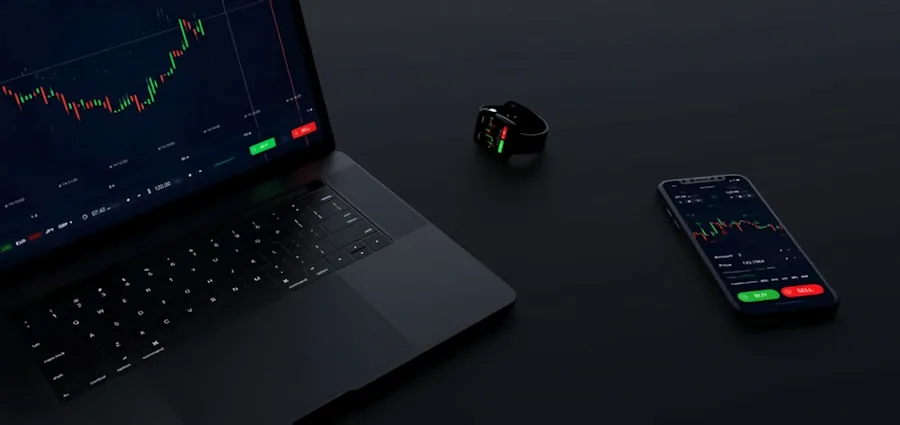
Many traders know the pattern well: they close a big winning trade, and not long afterwards a loss hands back part of what they just made. It happens a lot in the forex market. After a large gain, the excitement makes it tempting to jump straight back in front of the screen. Yet that is exactly the moment to slow down and give the mind time to think things through.
The moment in question is tied to the trader's state of mind rather than to a trading session or a time on the clock. The sections below explain why losing trades are part of the job, why the brain pushes traders into rushed positions after a win, and how detailed a plan needs to be to stop that mistake.
Losses come with the wins
Behind almost every win sit a number of losing trades. Straight after a big win, traders easily slip into a euphoric state and lose their patience. They tell themselves they need to get back into the market fast to chase the next large profit, and they believe the next one will come as easily as the last.
In reality, no one avoids losing trades in forex entirely, professionals included. The sensible view is therefore to treat losses as a necessary cost of the business. One way to picture it is fuel for a car: a trading career only keeps moving if it is willing to burn some.
Avoiding losses in general is hard, and avoiding losses driven by emotion is harder still. A normal loss comes from a considered decision the market did not reward, whereas an emotional loss comes from the trader abandoning their own method. The core of forex trading is therefore a steady mindset and a plan prepared in advance for handling losing trades.
Why losses follow wins
The riskiest time to open a forex trade is right after a winning one, especially when the win was large. That sounds counterintuitive, but the explanation is fairly simple. Anyone who has just won big feels elated, and that reaction is completely normal.
That pleasant feeling is exactly what lowers a trader's guard. The result is rushed decisions, a wish to trade more and a tendency to drift away from what the original plan said. Overconfident traders see the market through rose-tinted glasses, so they put money on the line without looking closely at what the market is really doing.
The size of the win matters too. Making $10,000 obviously feels far better than making $1,000, and the bigger the gain, the harder it is to stay calm. The mechanism resembles alcohol or gambling addiction, where the brain keeps pushing for more to make the good feeling last. In the same way, after a big win traders often try to recreate that feeling, or even amplify it.
There is no need to blame the brain, however. Human brains have worked this way since prehistoric times, and the whole experience is simply a set of chemical reactions in the body. What matters is that traders understand the mechanism so they can steer it, instead of letting it steer their trading decisions.
A trading plan as a shield
To keep the account safe from impulsive decisions, whether after a win or a loss, traders need something that separates them from the emotion of the moment. The most useful tool is a trading strategy the trader has built from their own practical experience. Such a strategy works like a rulebook written in advance, leaving no room for emotion to slip in.
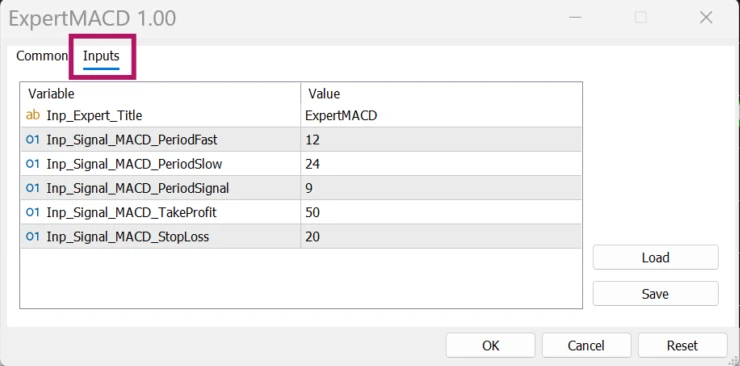
Forex trading therefore cannot be done on a whim. An effective way to build a strategy is to ask specific questions and answer each one clearly. For example, what conditions trigger an entry, where the stop loss and take profit go, and whether to trade when major news is due. Once those points are settled in advance, the trader's only remaining job is to do what has been written down.

The more specific the plan, the better it works. A good plan does not just describe what to do when everything goes smoothly; it also anticipates bad scenarios and sets out a response to each one. With those responses ready, traders rarely have to make decisions while their head is still hot.
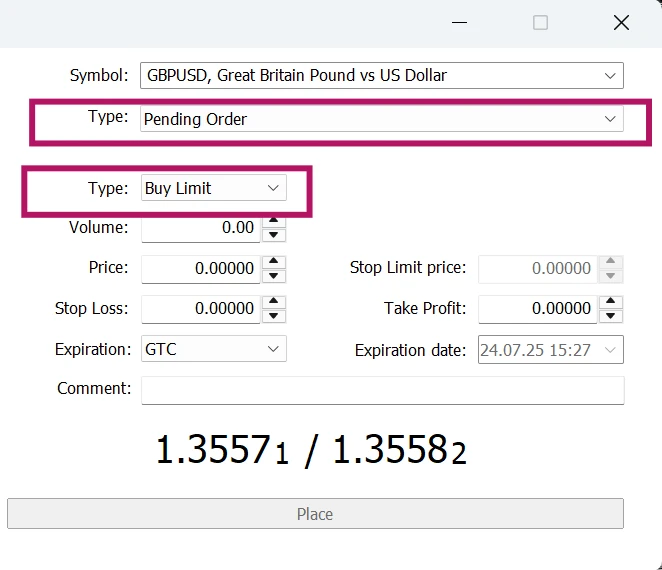
To handle the risk that follows a big win, three habits help traders keep their rhythm:
- Have a clear strategy and understand it thoroughly.
- Plan each of the three stages of every trade, before entry, while the position is open and after it closes, in line with that strategy.
- Most important of all, follow the plan, even right after a win when it feels impossible to be wrong.
All three habits rest on discipline. Sticking firmly to the strategy is how traders block the impulsive decisions behind many of the losses that come after a win.
Discipline decides the outcome
The best way to avoid losing money needlessly is to trust the strategy and follow the plan seriously. Even so, no single formula works for every trader. Each person has their own temperament, trading style and way of analysing the market, so each plan will look different.
Before doing anything in a market as volatile as forex, traders should therefore take the time to write a detailed plan. In the end, only the trader is responsible for their own wins and losses, and that plan is what keeps the decision in their hands even at the height of excitement.
Sources
- General knowledge of trading psychology and discipline; the $1,000 and $10,000 figures are illustrative examples only.
- Stop loss and take profit settings and spread widening around major news differ between brokers; traders should check them on their platform and on the broker's official website.