How Tickmill Backcom Works
Tickmill backcom is money an IB passes back to traders from the commission the broker pays it. How it is calculated, what "100%" means and how to sign up.
Every trade on Tickmill costs something, either through the spread (the gap between the buy and sell price) or through a separate commission charged per lot. Traders who stay with a broker for years therefore look for ways to bring that cost down, beyond picking a sensible account type and refining their strategy. One common route is backcom: getting part of the cost back through the partner who referred the client to the broker.
The sections that follow explain how Tickmill backcom works, what the phrase "100% backcom" actually means, how traders sign up through an IB and which misconceptions to avoid. It is worth stating up front that BackcomHub currently has no rebate programme with Tickmill, so the material here is a general explanation, with no code and no rate table for this broker.
What Tickmill backcom means
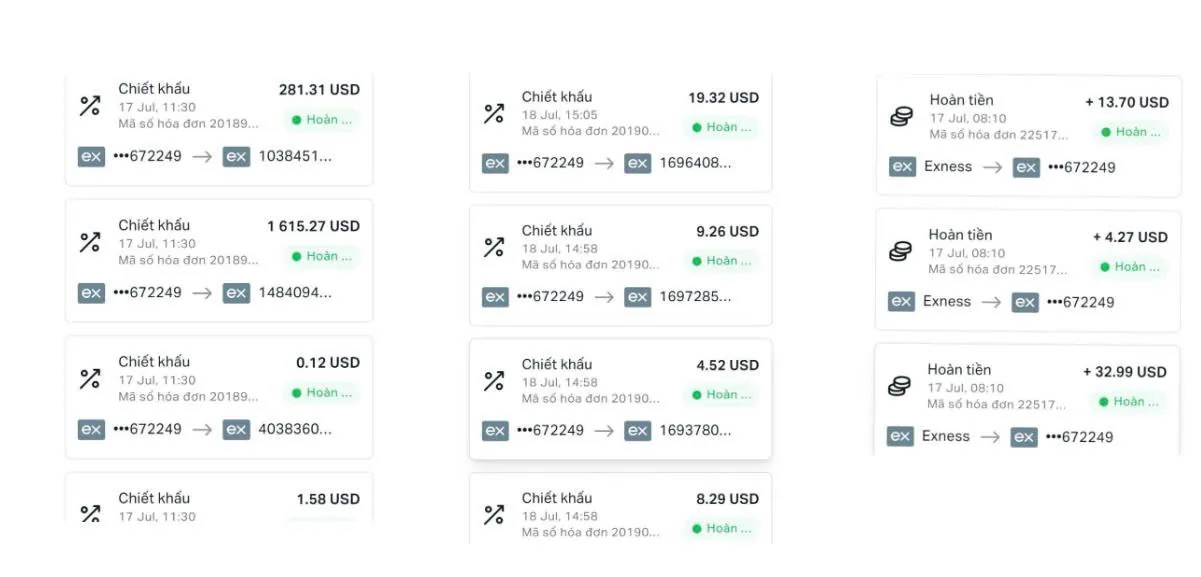
Tickmill backcom is money a trader receives back based on trades actually placed. When an account is linked to a referring partner (an IB, or introducing broker), Tickmill pays that partner a commission according to the client's trading volume. If the IB runs a backcom programme, it passes part or all of that commission back to the trader, under conditions it publishes.
As a result, the trader's net cost, meaning total fees paid minus rebates received, falls over time. The effect is clearest for people who trade regularly, because rebates add up lot by lot. In practice, backcom tends to interest three groups of traders:
- people who trade forex frequently;
- people with steady trading volume from month to month;
- people who want to keep costs down over the long run.
Backcom is not trading profit, however. It is an add-on benefit, while whether a trade wins or loses still depends on the trader's strategy and risk management. The general concept is covered in what is backcom.
How it is calculated and paid
Backcom follows a fairly simple sequence. First, the trader opens an account through a backcom programme, then trades on Tickmill as normal. When the trades meet the programme's conditions, the rebate is calculated and paid under the policy that IB applies.
The amount received each period is not fixed, because it depends on several factors at once:
- volume traded, measured in lots;
- the account type in use;
- the instrument traded, such as a currency pair or gold;
- the programme's conditions at the time.
Account type matters most on that list, because each type charges fees differently. An account that charges only through the spread and one that charges a separate commission usually generate different commission for the IB, so the rebate differs too. The article on standard vs raw spread accounts explains the difference in detail.
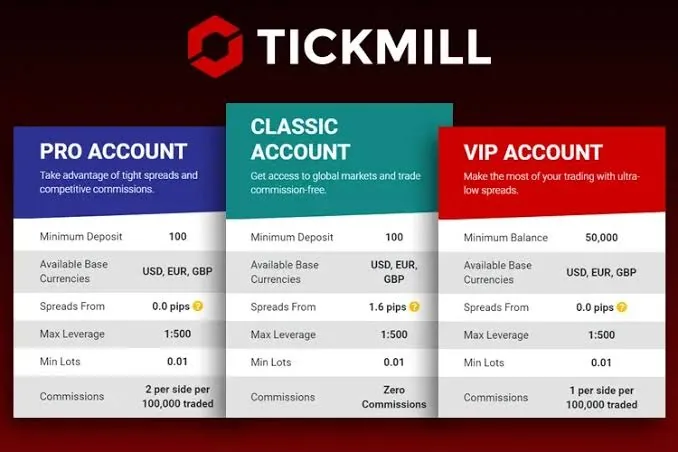
Traders do not need to do anything extra while trading. Once the account is linked to the right IB and meets the conditions, the rebate is handled on the IB's side, while spreads, execution and the platform on Tickmill stay exactly the same.
What "100% backcom" really means
The phrase that comes up most when people research Tickmill backcom is "100% rebate". The number easily misleads beginners, because it sounds as if every cost is returned. In reality, "100%" does not mean:
- all trading fees are refunded;
- the whole spread is refunded;
- trading costs nothing;
- the trader is certain to make money.
In programmes that use the phrase, "100%" usually refers to the IB returning all of the eligible IB commission it receives from the broker for that account. In other words, the trader gets the full qualifying backcom, but that amount is only the share the broker gives its partner, which is much smaller than the total fees paid. Before joining, traders should therefore check exactly how the IB defines "100%" and which amount it applies to.
Signing up through an IB
To receive backcom, the account has to be linked to the IB from the moment it is created. The general process has three steps, and their order matters.
Step 1: Open Tickmill through the IB's link or code
The trader reaches Tickmill through the sign-up link the backcom programme provides, or enters the IB's code when the form asks for one. Done correctly from the start, Tickmill's system records the account as belonging to that IB, which is the basis for any later rebate.
Step 2: Create and verify the account
Next, the trader completes the account creation steps Tickmill requires. If the broker asks for identity verification (KYC), the trader uploads documents as instructed, and only once the profile qualifies is the account ready to trade.
Step 3: Trade and receive backcom
Once qualifying trades exist, the backcom is calculated and paid under the programme's policy. Along the way, traders who want to know their account status or how the programme works contact the IB they signed up with directly.
Benefits of joining
The first and most obvious benefit is lower trading cost. After each period, the trader gets back part of the value generated by closed trades, and for long-term traders the accumulated rebates can noticeably lighten overall costs.
The second benefit suits traders who already have a stable trading plan. When volume is already set by the strategy, backcom is simply extra income from trades the trader would place anyway, and it requires no change in how they trade.
The third benefit is transparency. Instead of bearing the full cost, traders see exactly how much they get back and under which rules.
Does backcom really cut costs
It does, because backcom returns part of the value after a trade has closed. For example, two traders who pay the same initial fee end up with different net costs, and the one receiving backcom pays less. Using round numbers purely as an illustration, not as Tickmill rates, a lot costing 10 USD in fees with a 3 USD rebate ends up costing 7 USD.
Even so, the actual saving depends on real trading volume and each programme's conditions. More importantly, traders should not add trades or increase position size just to collect more rebates. How to work out net cost per month is covered in how to calculate the real monthly trading cost.
Three common misconceptions
"A 100% rebate refunds all fees"
This is the most widespread misunderstanding. As explained earlier, "100%" applies only to the eligible commission under the programme's policy, not to all the spread and commission a trader has paid.
"Backcom guarantees a profit"
That is also wrong, since backcom has no effect on whether an individual trade wins or loses. When a trade loses, the small rebate covers only part of the fee, and the loss itself stays in the account.
"The more trading, the better"
This idea is the most dangerous of the three. Trading volume needs to match the strategy and the trader's money management, because one trade outside the plan can lose far more than the rebate it earns.
Traders who already have a Tickmill account
Traders who opened Tickmill earlier need to check the status of their current account before joining a backcom programme. Each case is handled differently, for instance an account opened directly on the broker's website versus one already linked to another IB. Traders should therefore ask both the IB they plan to join and Tickmill's support team whether the account can move to a new partner. The questions worth putting to the broker are listed in how to switch IB on an existing account.
Traders without a Tickmill account, on the other hand, are better off signing up through a backcom programme from the start. That way the account is linked to the right IB at creation, with no need to request a switch later.
Key points
At its core, Tickmill backcom is a way to recover part of trading costs through an IB, based on the commission the broker pays its partner. A "100% rebate" programme returns all of the eligible IB commission, not every fee. Traders should therefore read the IB's conditions carefully and recheck account terms on Tickmill's official website before signing up.
BackcomHub does not currently offer rebates at Tickmill. Traders interested in the brokers BackcomHub does pay rebates on can see the rates on the BackcomHub home page or the detailed table in Vantage rebates. BackcomHub is an IB of the brokers listed on the site and receives IB commission from them.
Sources
- Tickmill, official website: https://www.tickmill.com/
- DCtoptrade (screenshots): https://dctoptrade.vn/