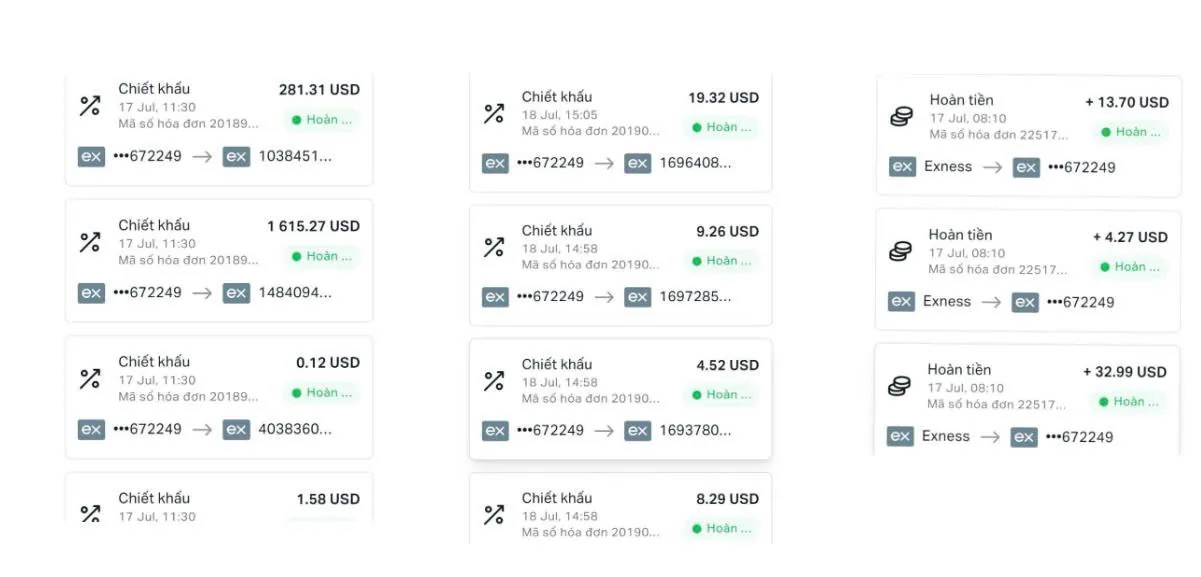
Tickmill Rebates and What to Weigh First
What a Tickmill rebate is, its other names, four steps to receive it through an IB, who gains most, why volume should not grow and how to handle old accounts.
Traders who deal forex at Tickmill pay for every position, either through the spread (the gap between the buy and sell price) or through a commission charged separately on volume. Each single charge looks small, yet across months it drags the overall result down noticeably. That is why many traders look for rebate programmes that hand back part of the money already spent.
Some introducing brokers (IBs), the partners who refer clients to a broker, promise to pass on the entire eligible IB commission that the broker pays them for a given account. The sections that follow explain the mechanism, the steps to join and the misconceptions to avoid. BackcomHub does not currently run a rebate programme with Tickmill, so the material is a general explanation only, with no code or rate table.
Meaning and other names
A Tickmill rebate is money returned to a trader after trading on that broker. It comes from the commission Tickmill pays to the IB that introduced the client, and the IB shares that amount with the trader on the terms it has published.
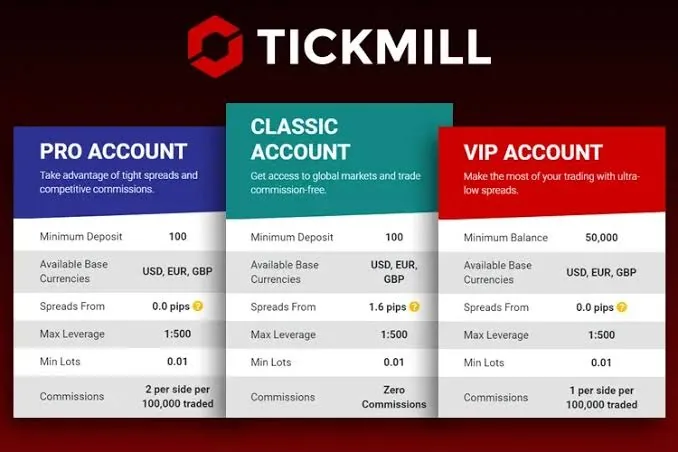
Every time a position is opened and closed, a cost arises, and its size depends on the product and the account type. A rebate scheme returns part of that outlay under its own rules, so traders need to read the conditions carefully. The two main kinds of cost are explained in spread vs commission.
On trading forums the same idea goes by a few other names:
- Tickmill rebate;
- Tickmill cashback;
- Tickmill backcom, short for "back commission".
Whatever the label, all three aim to help traders bring trading costs down over the long run. The general concept is covered in what is backcom, and the broker-specific mechanism in Tickmill backcom.
Four steps through an IB
Receiving a Tickmill rebate usually takes four steps, and the first one decides the rest. If the account is not tied to an IB at the moment it is created, later trades may well not qualify.
Step 1: Pick the programme before opening the account
First, the trader chooses an IB that offers a Tickmill rebate and signs up through that IB's registration link or referral code. Getting this right from the start places the account under the correct rebate policy, instead of requiring a partner change later.
Step 2: Create the Tickmill account
Next, the trader fills in Tickmill's form and completes every step the broker requires before the account can be used. The details must be accurate, because a mismatch with the identity document tends to slow verification down.
Step 3: Trade as usual
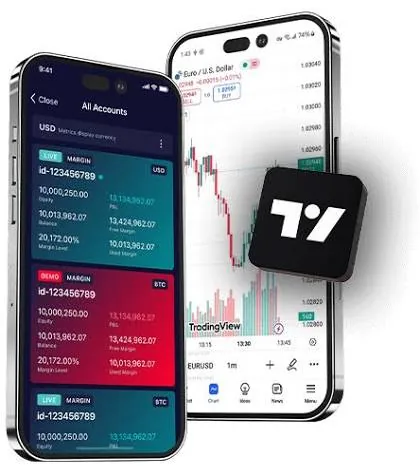
Once the account is ready, the trader places orders as normal with no extra action. Positions that meet the programme's conditions are recorded for the rebate.
Step 4: Receive the rebate
Finally, the rebate is processed under the mechanism the programme has published. To check eligibility or the status of the account, the trader contacts the IB used for registration directly.
Traders who benefit most
Because the rebate is calculated on trades actually placed, not everyone sees the same value from it. Three groups usually gain more than the rest.
Regular traders
Traders who place many orders over a long period build up a growing rebate, so their total cost falls visibly even when the amount per trade is small.
Cost-conscious traders
For this group, a rebate extracts extra value from trades they were going to place anyway, without any change of strategy.
Long-horizon traders
Trading costs are one of the factors that shape an account's overall result. Traders who think in years therefore treat trimming each cost item as worthwhile, since the benefit compounds over time.
Three main benefits
The most obvious benefit is a lower real cost. After each period, the money received shrinks the net cost, meaning fees paid minus rebates received; the calculation is covered in real monthly trading cost.
The second benefit is better use of capital. Instead of trading fees being money simply gone, the trader holds an extra sum to keep or put back into trading. The third benefit favours those who trade steadily over many months, because only then does the value of cost optimisation become clear.
Does a rebate change trading?
The short answer is no, because the programme only returns money after positions are closed and does not touch analysis or order placement. The final outcome is still decided by four factors:
- the trading strategy;
- money-management skill;
- discipline in following the plan;
- what the market actually does.
Traders should therefore treat a rebate as a secondary cost-cutting tool, not as the thing that decides profit or loss. A losing strategy remains a losing strategy even when part of its fees comes back.
Should volume rise to earn more rebate?
It should not. More volume does mean a larger total rebate, but raising lot sizes purely to collect more of it can easily push risk beyond the original plan. A sensible approach rests on three points:
- keep the current strategy;
- control risk as before;
- collect rebates only on volume already being traded.
Existing Tickmill accounts
Traders who already hold a Tickmill account need to check its status before joining a programme, since each account may be subject to different conditions. In that case they should ask both the intended IB and Tickmill's support team directly; the questions worth preparing are in how to switch IB on an existing account.
For traders without a Tickmill account, things are simpler. Registering through a rebate programme from the start ties the account to the right IB at creation, so no transfer is needed later.
Key points
A Tickmill rebate returns part of a trader's costs, funded by the commission the broker pays to the IB. For frequent traders it lowers net cost and improves capital efficiency, provided it does not alter the trading plan. Before signing up, traders should read the IB's conditions closely and check account terms on Tickmill's official website.
Meanwhile, anyone interested in the brokers BackcomHub does pay rebates on can see the rates on the home page or in Exness rebates. BackcomHub is an IB of the brokers listed on the site and receives IB commission from them.
Sources
- Tickmill, official website: https://www.tickmill.com/
- DCtoptrade (screenshots): https://dctoptrade.vn/