
NPBFX Risk Warning
NPBFX, founded in 1996, holds an IFSC Belize licence. A digest of reports on unwithdrawable bonuses, account-wiping bots, slow withdrawals and forced top-ups.
The Forex market in Vietnam has grown very quickly in recent years, drawing a wave of new brokers looking for Vietnamese clients. NPBFX is one of them, and alongside the name, the phrase "NPBFX scam" now appears frequently on financial forums. For anyone considering an account, or who has already deposited, the practical questions are what those accusations rest on and how to respond.
The sections that follow cover NPBFX's history and licence, the most common complaints, the warning signs, then advice and alternative brokers. Most of the material on complaints is information compiled from accounts and evidence posted by investors, not a legal finding by a regulator or court.
How NPBFX began
NPBFX was founded in 1996 in Russia, giving it more than 20 years in Forex brokerage. In its early years, the broker worked in the classic brokerage style. Later, NPBFX switched to STP (Straight Through Processing) execution, meaning client orders are passed straight through to the interbank market rather than taken by the broker itself. In theory, this reduces conflicts of interest, because the broker does not profit from clients' losses.
Licence and regulator
According to what NPBFX publishes, it is regulated by the IFSC (International Financial Services Commission) of Belize. The IFSC, however, is not in the same league as the FCA in the UK or ASIC in Australia, so its legal hold over the broker is fairly limited. That gap is the root of much of the debate about how trustworthy NPBFX is.
On one hand, the broker's official website does display its IFSC licence. On the other, NPBFX has not published clear financial figures in the way major brokers do, so clients find it hard to judge the company's real financial health.
What NPBFX offers
The NPBFX trading range covers four main groups:
- Currencies (Forex).
- Precious metals such as gold and silver.
- Commodities such as crude oil and natural gas.
- Stock indices and share CFDs.
Taken on its own, this range is fairly diverse and serves both beginners and professional traders. The problem with NPBFX therefore lies not in what can be traded but in how the broker treats client money.
Common complaints
Complaints about trading conditions centre on three points. First, the spread, meaning the gap between the buy and sell price, widens during peak hours. Next, leverage is advertised as high but is cut back once real orders are placed. Finally, the MT4 software sometimes lags, causing orders to fill at worse prices than requested (slippage).
Withdrawals are the main reason the phrase "NPBFX scam" has spread. Some clients say withdrawals took longer than the broker promised, in some cases 5 to 7 days. Others say their requests were "frozen", left indefinitely in a pending state.
On top of this is the broker's marketing. NPBFX often runs deposit bonus and trading rebate programmes, but the attached conditions are very strict. As a result, quite a few traders feel they were "trapped" when they tried to withdraw the bonus or the profit made with it.
Comparison with major brokers
Placed beside three brokers familiar to Vietnamese traders, the gap becomes fairly clear:
- Exness: FCA and CySEC licences, fast withdrawals.
- IC Markets: tight buy-sell spreads and deep liquidity.
- XM: staff who answer in Vietnamese.
Against this group, NPBFX falls behind on both licensing and support. On international sites such as ForexFactory and Trustpilot, the broker scores around average, not terrible but nothing remarkable either.
Strengths and weaknesses
To be fair, NPBFX does have some advantages:
- More than 20 years in operation.
- The familiar MT4 platform.
- A varied range, from Forex, gold and oil to stock CFDs.
- Several deposit and withdrawal channels, including bank cards, e-wallets and international transfers.
According to investor reports, however, the list of weaknesses is longer and heavier:
- A weak IFSC licence that carries far less weight than the FCA or ASIC.
- Slow withdrawals, with many saying their requests were frozen.
- Bonuses that cannot be withdrawn, even after a trader has made a profit.
- Trading bots tied to accounts that trade against the strategy, wiping many accounts to zero.
- Clients pushed to deposit more to "keep the bot running and recover capital", a pattern with a Ponzi flavour, meaning new deposits are used to sustain promises made to earlier clients.
- Poor transparency, with no audited financial statements published.
The strengths are mostly about track record and convenience, while the weaknesses strike directly at clients' ability to keep and recover their money. For an investor, the second group matters far more than the first.
Warning signs to recognise
From the NPBFX case, there are three general signs traders should learn to spot at any broker. No single sign is enough to reach a conclusion, but when they appear together the level of risk rises sharply.
Unusual promises of profit and bonuses
The first sign is a promise of big profits and attractive bonuses that are never approved when it is time to withdraw. A bonus that cannot be withdrawn is really just a number on a screen, not the trader's money.
A vague licence
The second sign is unclear or even fake legal paperwork. Licences issued in "tax havens" such as Belize's IFSC tend to carry low credibility, because the issuer rarely supervises the broker's day-to-day business closely.
Withdrawals that drag on
The third sign is difficult withdrawals. According to the reports, when traders request a withdrawal, the broker cites "pending approval". While they wait, the bot opens trades against the strategy, and the account evaporates before the money arrives. Many similar signs are collected in six warning signs of a forex scam broker.
What the reports point to
When the reports are gathered together, three points stand out. First, accounts from the Vietnamese trader community match one another on the same issues, namely unwithdrawable bonuses, bots and delayed withdrawals. Second, trade histories have been posted showing bots opening unreasonable trades with no stop-loss. Third, clients being pushed to deposit another 10,000 USD to "recover their capital" is seen by many as a sign of a systematic practice rather than an isolated incident.
The evidence investors have posted also revolves around specific events:
- Bonuses "stuck" and impossible to convert into withdrawable funds.
- Bots trading USDCHF and GBPJPY at the wrong moments.
- Accounts wiped out within one or two nights, exactly while a withdrawal was pending.
On that basis, the accusations against NPBFX are more than rumour and rest on many reports with specific details. Even so, this remains information compiled from users, not a legal finding by a competent authority. What is available is enough to place NPBFX in the very high risk group, and traders should treat the broker accordingly. Other flagged brokers are listed in Forex scam brokers flagged in Vietnam.
What traders should do
The first step is to check the legal position before committing money. Traders should only choose brokers licensed by reputable regulators such as the FCA in the UK, ASIC in Australia or the CFTC and NFA in the US, and should check the regulator's own website themselves.
The next step is managing risk while trading. Traders should not put their faith in bots or advertising about "AI that keeps accounts from blowing up", since no software guarantees an account will not lose. Instead, every trade needs a stop-loss, and total capital should be split up according to a clear plan.
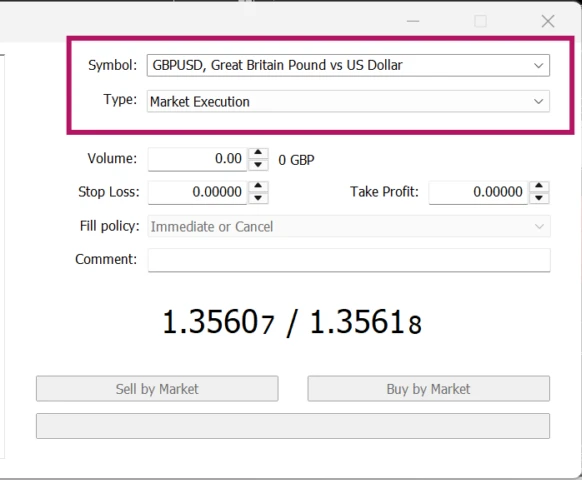
In MetaTrader, the Stop Loss field sits right in the order window, so traders can set a stop from the moment a position is opened. The last step is choosing a safer alternative, with criteria that include Vietnamese-language support, fast withdrawals and a strong licence.
Three alternative brokers
Based on those criteria, three brokers are often considered by Vietnamese traders in place of NPBFX:
- Exness: licensed by the FCA and CySEC, with fast withdrawals and 24/7 support. Details are in the Exness review.
- IC Markets: regulated by ASIC, known for low spreads and suited to fast scalping. See the IC Markets review.
- XM: representative offices in many countries, good Vietnamese support and free training programmes. Account opening is covered in opening an XM account.
Whichever broker is chosen, traders should still verify the licence and conditions on the broker's official website before depositing. Information in reviews is only a starting point, while data on the broker's and regulator's own sites is the final reference.
Frequently asked questions
Does NPBFX hold a licence
Yes, NPBFX is licensed by the IFSC of Belize. The IFSC is a loose supervisor, however, so this licence carries low credibility.
Why do many traders call NPBFX a scam
The reason is that many investors say their bonuses were stuck and they could not withdraw money. Some also say trading bots wiped out their accounts, and that they were even pushed to deposit more.
Are NPBFX withdrawals fast
Accounts from many traders suggest they are not. Some waited 5 to 7 days, while others were delayed until they lost the whole account during the wait.
Should traders accept NPBFX bonuses
The answer is no. Most bonus programmes carry "hidden" conditions that make it almost impossible for traders ever to withdraw profits made with the bonus.
Are the NPBFX trading bots safe
The available reports suggest they are not. The bots tend to open trades continuously without a stop-loss, so accounts can be wiped out very quickly.
What should a trader who has already deposited do
First, stop depositing more, whatever reason the broker gives. Next, the trader should capture all trading evidence and post it in trustworthy trader groups so others know to stay away.
Conclusion
Taken together, the reports about NPBFX are no longer at the level of rumour but come from many Vietnamese traders with specific evidence. Issues such as unwithdrawable bonuses, bots that wipe out accounts, delayed withdrawals and pressure to deposit more show a broker operating without transparency and carrying very large risk, even though no legal ruling exists. The safe choice is therefore to stay away from NPBFX and trade only with brokers licensed by the FCA, ASIC or CFTC to protect capital.
Sources
- IFSC Belize, list of licensees: https://www.ifsc.gov.bz/
- FCA, Financial Services Register: https://register.fca.org.uk/
- ASIC, licence search: https://asic.gov.au/
- NFA, BASIC (CFTC/NFA member search): https://www.nfa.futures.org/basicnet/
- Trustpilot, NPBFX reviews: https://www.trustpilot.com/
- ForexFactory, trader forum: https://www.forexfactory.com/
- DCtoptrade (screenshots): https://dctoptrade.vn/


