Brokers with Smooth Execution 2026
What smooth order execution means, how slippage and requotes erode profit, five criteria for rating brokers and how Exness, XM and IC Markets compare.

Many newcomers to forex believe that the right strategy is all it takes to make money. In practice, the same strategy can produce very different results depending on how the broker handles each order, because the actual fill price is the number that lands in the account. The gap shows up most clearly for short-term scalpers and for traders who place many orders a day. That is why the question of which broker executes smoothly keeps coming up.
The sections below explain how an order gets filled, what goes wrong when execution is poor, five criteria for rating a broker, notes on Exness, XM and IC Markets, and how to measure smoothness first-hand. The final part lists BackcomHub referral codes and a short FAQ.
What smooth execution means
The path of an order
Execution is the process by which a broker turns a trader's buy or sell click into a real trade in the market. As soon as the order is sent, the broker's system does three things in sequence:
- It receives the request from the trading platform.
- It finds a suitable price from its liquidity sources, meaning the banks and institutions willing to trade with the broker.
- It fills the order at the price available at that moment.
These three steps happen in an instant, yet their quality decides whether the trader gets the intended price. Smoothness is therefore a property of the whole system, not just of the button.
What counts as smooth
Smooth does not mean every fill matches the requested price to the last fraction of a pip. In real trading, a broker is considered to execute smoothly when it meets four conditions:
- Orders are filled quickly.
- The delay after the click is very short.
- Any price difference stays within an acceptable range.
- Requotes and rejected orders are rare.
Put simply, a smooth broker lets traders predict how their orders will be handled. As a result, trading outcomes reflect the trader's decisions rather than unexpected technical glitches.
Why traders should care
Execution quality feeds directly into three things traders care about most:
- The opening and closing price of each trade.
- The balance between winning and losing amounts over a series of trades.
- Their state of mind in front of the screen.
For scalpers (who open and close trades within minutes) and day traders, the target on each trade is often only a few pips. A few pips of slippage can therefore turn a winning trade into a break-even one, or even a loss.
When a broker executes poorly
Slippage
Slippage happens when an order fills at a level different from the one the trader expected at the click. It usually appears in three situations:
- The price is moving very sharply.
- Fewer buyers and sellers are active in the market.
- The broker's system processes orders slowly.
A little slippage is normal, but when the gap is too large even a good strategy stops working. The reason is that entries, stop losses and take-profit levels are all planned on the expected price, not the real one.
Requotes and rejected orders
Some brokers use requotes. Under this mechanism, the broker does not fill at the clicked price but offers a new one, and the trader has to accept it before the order goes through. Sometimes the broker rejects the order outright. Both situations are frustrating, especially when a trader needs to enter immediately according to a prepared plan. How to reduce this problem at one specific broker is covered in requotes on Exness.
Delay after the click
Latency is a noticeable gap between the moment a trader clicks and the moment the order is actually filled. The result is a later entry than planned and a lost edge at the entry point.
Damage beyond a single trade
Poor execution also has consequences wider than one trade. Specifically, it causes three problems:
- Results from testing a strategy on historical data (backtesting) no longer match live trading.
- Traders become frustrated by repeated bad fills.
- Traders start doubting their own strategy even though the fault lies in execution.
The third problem is the most dangerous, because it pushes traders to abandon a sound method. Before concluding that a strategy is broken, traders should therefore review the broker's execution quality.
What drives execution quality
The first is execution speed. The faster an order is processed, the less time the price has to move, so the chance of filling close to the intended price rises. Speed is therefore the core measure when assessing a broker.
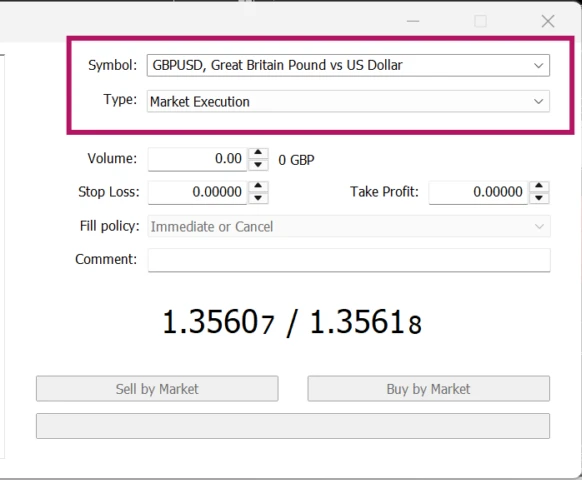
The second is the execution model. Each broker handles orders in its own way, and that approach determines slippage, requote frequency and how transparent the fill price is. For example, a broker using market execution fills the order at the next available price instead of asking the trader again.
The third is liquidity and the price providers behind it. A broker with deep liquidity usually fills faster, suffers fewer interruptions and keeps prices steadier during the main sessions.
The fourth is server infrastructure. The farther the trader's computer is from the broker's servers, the longer the signal takes to travel. Brokers that place servers in major financial centres therefore tend to have an edge on latency.
The fifth is timing. Even a good broker can slip during big news or fill less cleanly when the market is thin. To judge fairly, traders need to watch a broker under different conditions, not just during one quiet session.
Five criteria for rating a broker
From the factors above, traders can draw five concrete criteria for comparing brokers. Each can be observed with the trader's own orders, without special tools.
Actual fill speed
The first criterion is the time from click to fill, measured on real orders rather than advertised figures. Traders should also watch whether that speed stays consistent across sessions.
Slippage level
Small, consistent slippage is far easier to live with than large, erratic slippage. The reason is that a steady gap can be built into the plan, while a sudden one cannot.
Requotes and rejections
Brokers with smooth execution rarely requote, rarely reject orders and have a clearly written execution policy. With that document in hand, traders know in advance how the broker will handle an order when something goes wrong.
Platform stability
A stable platform reduces technical errors, keeps latency down and avoids disconnections just as prices move. A platform that freezes often, by contrast, can ruin a carefully planned trade.
Transparency about execution
Trustworthy brokers openly publish three things: their execution model, their slippage policy and how they handle orders during heavy volatility. When these are in writing, traders can check against them if a dispute arises.
Exness, XM and IC Markets
The three brokers below come up often in discussions of execution speed, and each is strong in a different style of trading. Execution figures can change over time and by account type, so traders should check them on each broker's official website before opening an account.
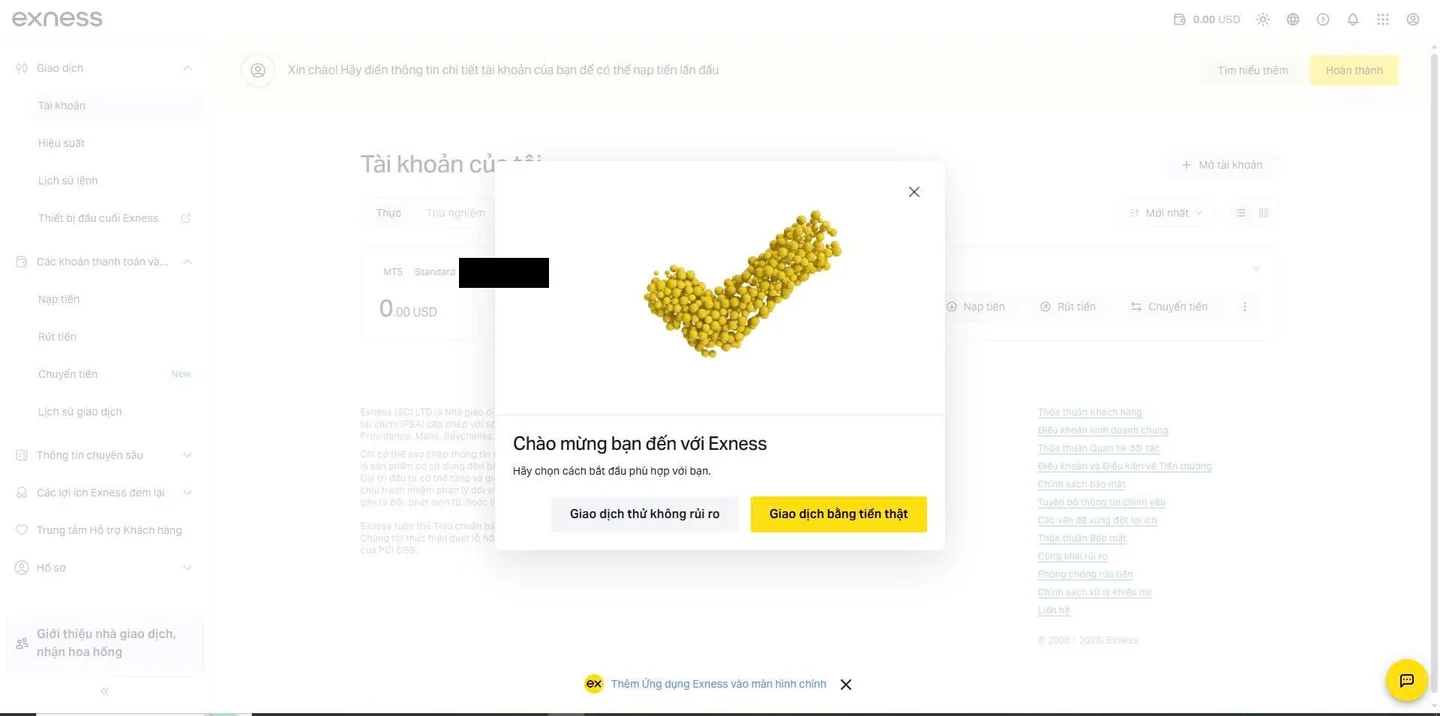
Exness
Exness appears regularly in reviews of execution speed thanks to a fast and flexible order-handling system. The execution details usually cited are:
- A median execution speed of about 25 milliseconds, meaning half of all orders are processed faster than that.
- Market execution on most account types.
- A high fill rate when the market is in normal conditions.
For traders, this means market orders usually fill close to the price at the click. Low latency also narrows entry errors in day trading, so the broker suits those who need to get in quickly. Slippage can still happen when prices move hard, however, and some account types may use a different mechanism, so traders should read the conditions carefully before trading.
Overall, Exness suits three groups: day traders, traders who need fast entries and traders who are most active in the European and US sessions. More detail is in the Exness review.
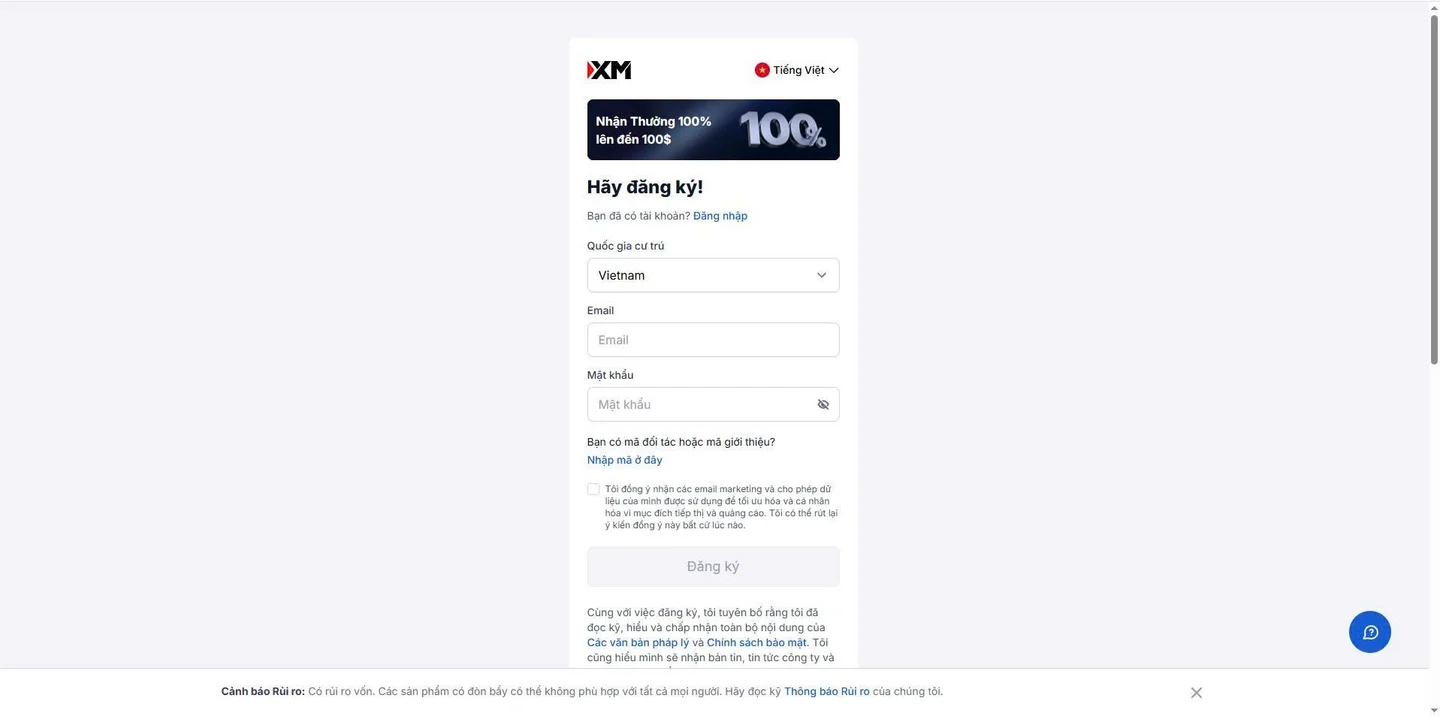
XM
Unlike Exness, XM's strength lies in a clear, easy-to-understand execution policy that suits traders who value stability. XM publishes three execution figures of its own:
- 99.4% of orders are executed in under 1 second.
- 100% of orders are free of requotes.
- No order rejections.
These commitments almost eliminate the situation where a trader clicks and nothing fills, so trading feels steady and is rarely interrupted by technical issues. Even so, no requotes does not mean no slippage ever. During big news, an order can still fill at the next available price. XM therefore suits beginners, traders who follow a fixed plan and those who put stability ahead of raw speed.
IC Markets
IC Markets is highly rated by the trading community for its infrastructure and processing speed, especially on the Raw account. The execution points usually cited for the broker are:
- An average execution speed below 40 milliseconds.
- Market execution.
- Servers located in major financial centres.
As a result, orders are processed quickly in a high-liquidity environment and stay stable through the European and US sessions, which suits scalping and short-term trading well. On the other hand, the Raw account charges a commission per lot, so traders must add it to their costs. Slippage during heavy volatility also cannot be avoided entirely.
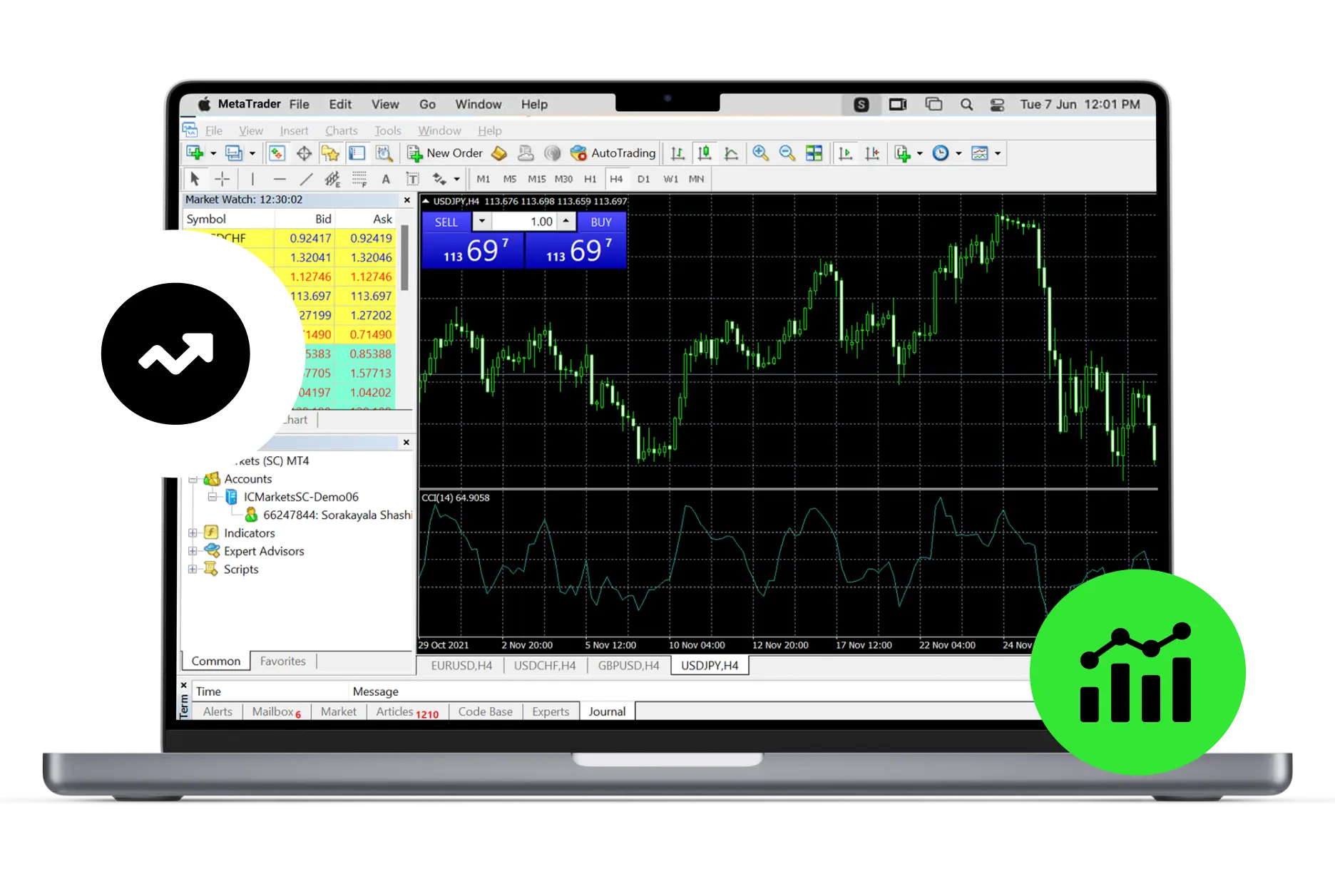
IC Markets is therefore best suited to scalpers, high-frequency traders and those who need execution that is both fast and stable. The IC Markets review has more on its account types.
Comparing execution at the three brokers
Placing the three brokers side by side on three aspects shows that each leans towards a different strength:
| Aspect | Exness | XM | IC Markets |
|---|---|---|---|
| Execution speed | Median around 25 milliseconds | Most orders under 1 second | Average under 40 milliseconds |
| Requotes and rejections | Mostly market execution, few requotes | No requotes, no rejections | Market execution, no requotes by design |
| Stability | Flexible, high speed | Stable, easy to trade, few errors | Strong infrastructure, suits high-intensity trading |
The three speed figures are not measured the same way: a median, an average and a share of orders under one second. The table therefore helps with orientation rather than a direct comparison.
Testing execution first-hand
Published figures are only a starting point. The most reliable method is for traders to test with real money, in three steps.
Test with a small account
First, the trader deposits a small amount and trades low volume, for example a few of the smallest lots the broker allows. Next, the trader tracks the time from click to fill. This keeps the risk of testing close to negligible.
Test across sessions
Then the trader repeats the test in the Asian, European and US sessions. Each session has a different number of active buyers and sellers, so comparing latency and slippage across the three shows whether the broker is truly consistent.
Watch during volatility
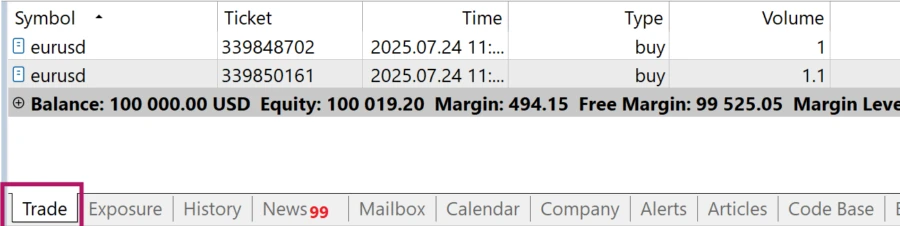
Finally, traders should place a few small orders around news releases, record the slippage on each, and check it against the execution history in the platform. The hours most prone to slippage are analysed in the riskiest moment to trade forex.
Opening an account through BackcomHub
All three brokers covered here have a rebate programme through BackcomHub. When traders open an account with a BackcomHub referral code, part of the trading fee is paid back for each lot traded, which offsets some of the cost for those who trade often.
Disclosure. BackcomHub is an IB (an introducing broker that refers clients to a broker) for the brokers in the table below and earns IB commission from them on accounts registered through BackcomHub.
| Broker | Referral code |
|---|---|
| Exness | oc9jb1aix4 |
| XM | BACK100 |
| IC Markets | 91994 |
Rebate rates by account type and symbol are listed in Exness rebate, XM rebate and IC Markets rebate. Traders who already hold an account at one of these brokers can read switching IB.
FAQ
Does smooth execution mean no slippage at all?
No. Smooth execution means orders are filled quickly and consistently, while slippage can still occur when the market is volatile.
Do ECN brokers execute more smoothly?
ECN brokers, which route orders directly to liquidity providers, usually have an advantage in speed and transparency. Even so, the final result still depends on each broker's infrastructure and liquidity.
Which broker should beginners choose?
XM is usually the more comfortable choice for beginners, because its execution policy is clear and stable. Beginners are therefore less likely to be caught out by technical surprises.
Which broker suits scalping?
IC Markets and Exness are usually favoured for scalping thanks to fast execution. Traders should still measure it again on their own account.
Can execution be tested before depositing a lot of money?
Yes. Traders should test with a small account first, and only then move on to trading with larger capital.
Choosing a broker on execution
No broker executes perfectly in every market condition. Based on published figures and trader feedback, Exness suits those who need speed and flexibility, XM suits those who prioritise stability and few incidents, and IC Markets suits scalpers and high-intensity traders. Above all, traders should measure execution with their own live trades instead of relying on advertising.
Sources
- Official broker websites, which publish execution policies and current trading conditions: https://www.exness.com, https://www.xm.com, https://www.icmarkets.com.
- BackcomHub rebate table (referral codes), data from dctoptrade.vn.
- DCtoptrade (screenshots): https://dctoptrade.vn/