
How to Get Exness Rebates
Exness rebates come from the commission the broker shares with an IB. How it works, signing up or switching partner with code oc9jb1aix4, and checking payouts.
Every Exness trader pays a cost on each trade, whether or not they ever look at it closely. For anyone who trades often or in size, those small per-trade costs add up to a noticeable sum each month, and a rebate is a way to recover part of it. Even so, many traders have heard of Exness rebates without knowing where the money comes from, why each account type earns a different amount, or what has to be done for an account to qualify.
The sections that follow take those questions in order: how trading costs build up, what a rebate is, the path a rebate travels, who gains the most, where the risks lie, then the steps for signing up through BackcomHub and how to check that payouts arrive. The full table of rates by symbol is kept separately on the Exness rebate page.
How trading costs add up
Every forex trade carries two main costs. The first is the spread, the gap between the selling and buying price that a trader absorbs the moment a position opens. The second is commission, a fee the broker charges separately by volume, and it only appears on some account types. On a single trade both amount to a few dollars, but they repeat on every trade, so the monthly total can take a large bite out of profit.
A hypothetical calculation shows the scale. Suppose a trader trades 20 lots of EUR/USD in a month on a Standard account, with an average spread of 0.8 pip. Since each pip on a standard EUR/USD lot is worth about 10 USD, the spread cost for that month comes to roughly 20 × 0.8 × 10, or about 160 USD. The figure is only an illustration, because real spreads change with timing and market conditions.
On top of that, positions held overnight incur swap, an overnight financing charge that the calculation above leaves out. Trading costs are therefore unavoidable in forex. That is why many traders turn to rebate programmes run by introducing partners to ease the burden. How to read spread and commission on each trade is covered in spread vs commission.
What an Exness rebate is
An Exness rebate is the part of a trading cost that is paid back to the trader after a position closes. It flows through a referral partner known as an IB (introducing broker, the party that refers clients to a broker), such as BackcomHub. Exness pays the IB a share of the revenue from the spread or commission of the clients the IB brought in, and the IB passes part of that share back to the same clients.
A rebate is therefore quite different from a deposit bonus or a promotion. It is not extra money handed out by the broker, but a portion of commission that was generated by fees the trader already paid. Moreover, the rebate is calculated on traded volume, measured in lots, so winning and losing trades count the same.
This model is not unique to Exness. Most large forex brokers run similar partner programmes, and the share passed back to clients is often called backcom. The origin of that term is explained in more depth in Exness backcom.
The path of a rebate
Every rebate starts with a trading account being tied to an IB's partner code. The code can be attached when the account is opened, through the IB's link or code, or later through a partner change. Only once the account sits under that code does the Exness system calculate the IB's share on its trades.
After the code is attached, the process largely runs by itself, in a series of stages:
- the trader trades as usual with any order type, Buy or Sell, market or pending;
- when a position closes, Exness records the lots filled, regardless of whether it made or lost money;
- the broker calculates the IB's commission from that volume;
- the IB takes part of the commission and pays it back to the trader on a published schedule;
- the rebate lands in the trader's Exness account, or arrives through a separate payment channel depending on each IB's policy.
The payout schedule is where IBs differ most. Some pay daily, some batch payments weekly, and BackcomHub pays Exness rebates daily according to its current rebate table. BackcomHub is an IB for the brokers listed on the site, including Exness, and earns IB commission from them; the rebate paid to traders comes out of that commission.
Account type decides the calculation
Exness offers several account types with different cost structures, so the rebate differs too. The reason is that the broker's share for the IB depends on whether the cost sits inside the spread or is charged separately as commission. The following table summarises each type's cost structure and where its rebate comes from:
| Account type | Main cost | Rebate based on |
|---|---|---|
| Standard | Spread only, no separate commission | Spread |
| Standard Cent | Spread like Standard, small (cent) lot units | Spread |
| Pro | Lower spread than Standard, no commission | Spread |
| Raw Spread | Near-zero spread, separate commission per lot | Mainly commission |
| Zero | Zero spread on many pairs, commission per lot | Same as Raw Spread |
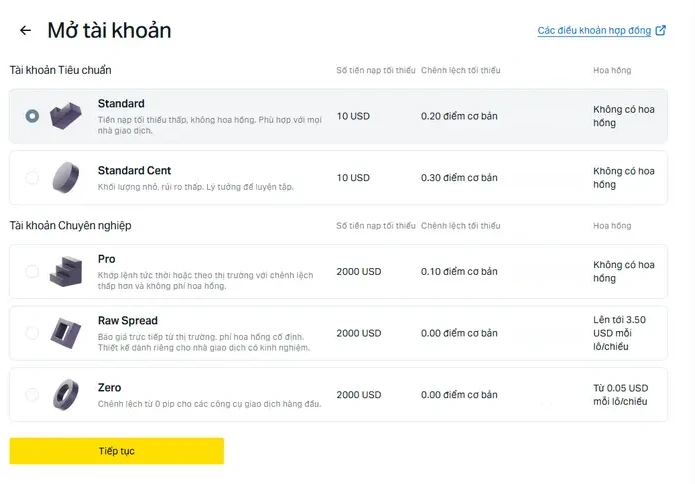
On Raw Spread and Zero, the cost is split out from the price, so the rebate per lot is easier to reconcile. On Standard and Pro, by contrast, the cost is blended into the spread, which makes it hard for traders to work out exactly what they paid. The cost profile of the two tight-spread accounts is covered in Exness Raw Spread account and Exness Zero account.
To give a sense of the gap, the BackcomHub rebate table dated 20/11/2026 lists EUR/USD at 3.2 USD per lot on Standard & Cent, 1.49 USD on Pro and 0.87 USD on Raw & Zero. For gold XAU/USD, the three rates are 9.6 USD, 4.2 USD and 3 USD per lot. Rates can change when Exness adjusts its partner policy, so traders should check the latest figures on the Exness rebate page rather than rely on old data.
Who gains the most
Because the rebate is paid per lot, the more lots a trader trades, the larger the accumulated sum. As a result, rebates matter most to groups with high and steady volume, including:
- scalpers and day traders, who open many small positions each session;
- traders running EAs, automated trading robots that produce large, stable monthly volume;
- traders of gold XAU/USD or indices with high lot counts; the gold-specific calculation is in Exness gold rebate per lot;
- long-term traders with large capital, who place few trades but many lots per trade.
Newcomers with small capital and few trades can still take part, but the amount they receive will be correspondingly small. More importantly, a rebate should never become a reason to trade more than the risk a trader can actually control. Every extra lot taken to earn a rebate is also a lot that can lose money.
With and without a rebate
An account tied to a partner code and an ordinary account differ only in final cost, meaning fees paid minus money refunded. Technically the two accounts work identically: spread, leverage and execution speed stay the same. The following table puts the two cases side by side:
| Criterion | No rebate | With rebate |
|---|---|---|
| Quoted spread and commission | Per account type | Unchanged |
| Execution, leverage | Same | Same |
| Real cost per lot | Full quoted cost | Quoted cost minus rebate |
| Money returned | None | Paid regularly via the IB |
| Requirement | Nothing extra | Account tied to a partner code |
Returning to the hypothetical case above, 20 lots of EUR/USD on Standard cost roughly 160 USD in spread. If that account were tied to BackcomHub, the rate of 3.2 USD per lot on 20 lots would return 64 USD, bringing the real cost for the month down to about 96 USD. The result only illustrates the mechanism; actual spreads and current rates need checking at the time of trading.
Where the risks lie
Receiving a rebate does not by itself change any trading terms. Spread, leverage, execution speed and every technical condition remain as they would on an account without a partner. Therefore the risk lies not in the rebate mechanism itself but in choosing the wrong partner or misreading the conditions, which usually happens in three situations:
- some unreliable partners advertise abnormally high rates to attract clients, then pay late or below what they promised;
- an account is tied to the wrong code, or switched through the wrong procedure, so it is never recorded and earns nothing;
- some programmes set a minimum volume before paying, so traders should read the terms before expecting money every period.
Given those situations, the safe view is to treat a rebate as a side saving, not a factor that decides strategy. Overall risk management, especially the choice of leverage, should come before optimising this small cost. Forex leverage for beginners explains why high leverage magnifies both gains and losses.
Steps to get rebates via BackcomHub
To qualify, the trading account must be tied to BackcomHub's partner code before trading starts, or at the moment it is opened. The specific steps are as follows:
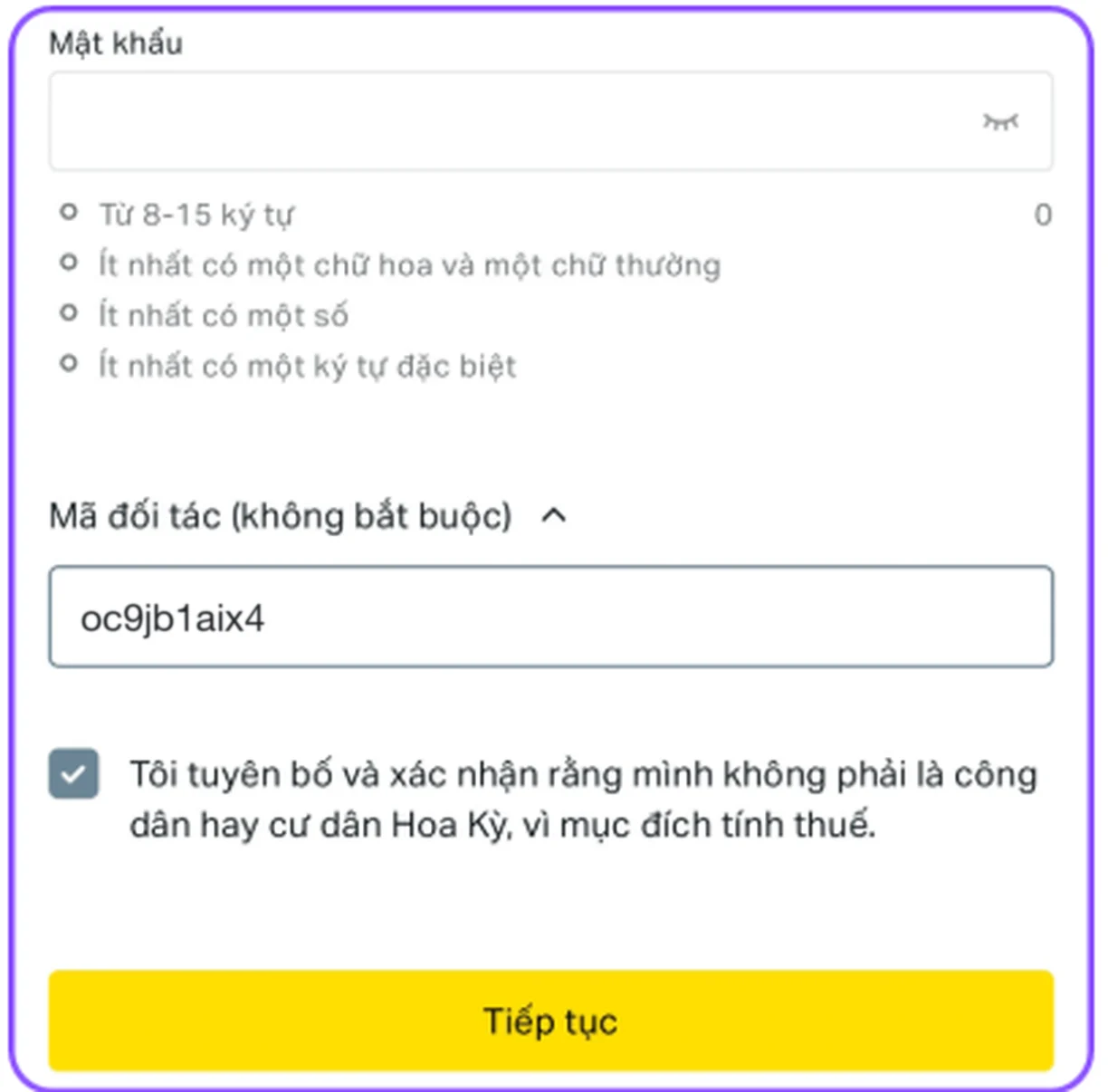
- No Exness account yet: register through the Exness link on BackcomHub, or enter the code oc9jb1aix4 in the partner code field on the sign-up form, so the account sits under BackcomHub automatically.
- Existing Exness account: submit a partner change request through live chat in the Exness app, then open a new trading account once it is approved.
- Choose an account type: consider Raw Spread or Zero for easier reconciliation against commission, or Standard if a higher rate per lot matters more.
- Trade normally: nothing else needs to be clicked or declared for the rebate to start accumulating.
- Track payouts: the rebate is paid daily, and traders can reconcile it themselves as described in the next section.
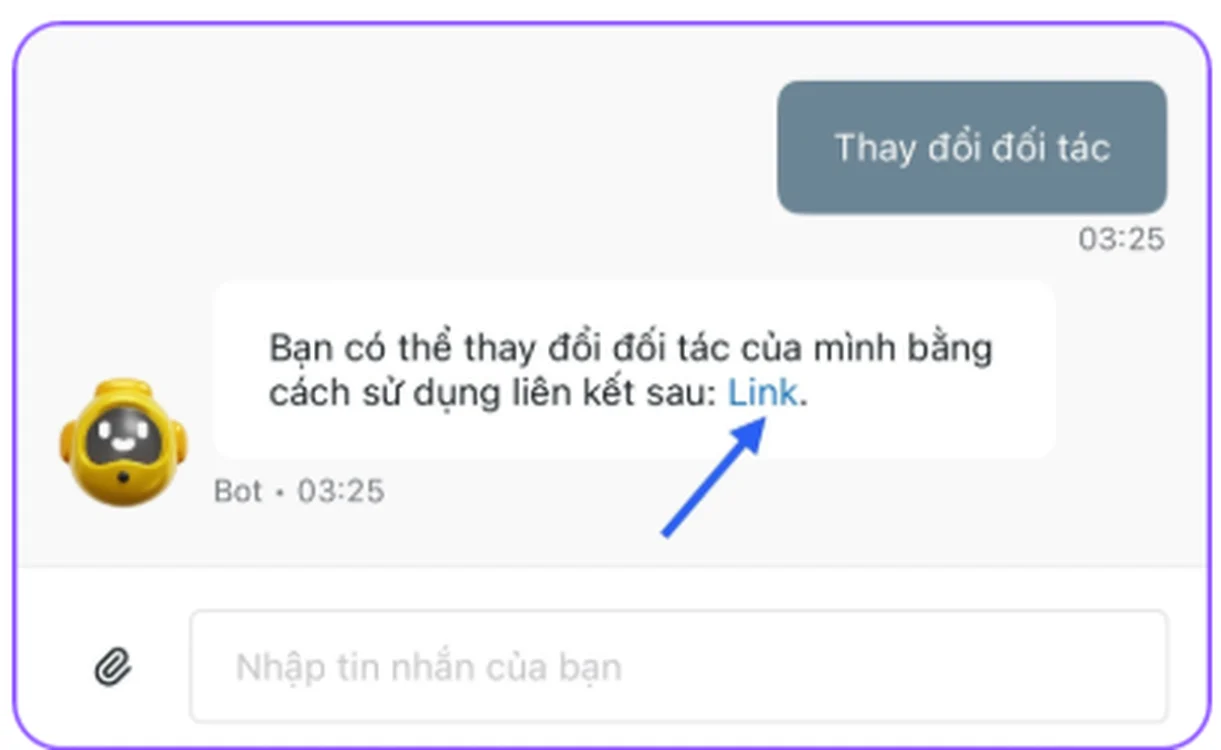
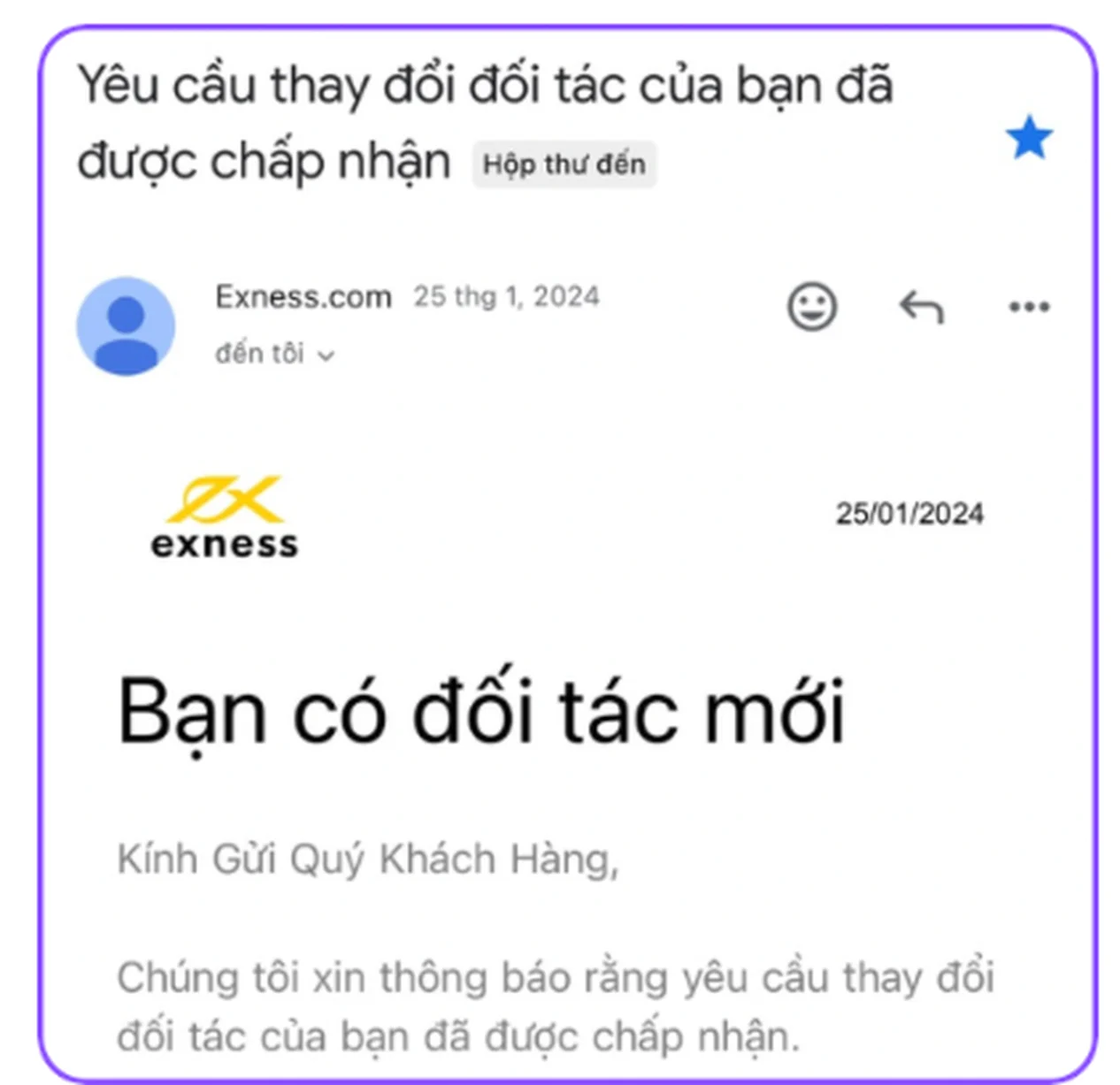
Step two needs a few extra notes, because Exness classes a partner change as an action that requires verifying the account owner. After the trader types the request in the chat window, the bot sends back a link to a form, where the trader gives a reason and enters the new partner's link or wallet number.
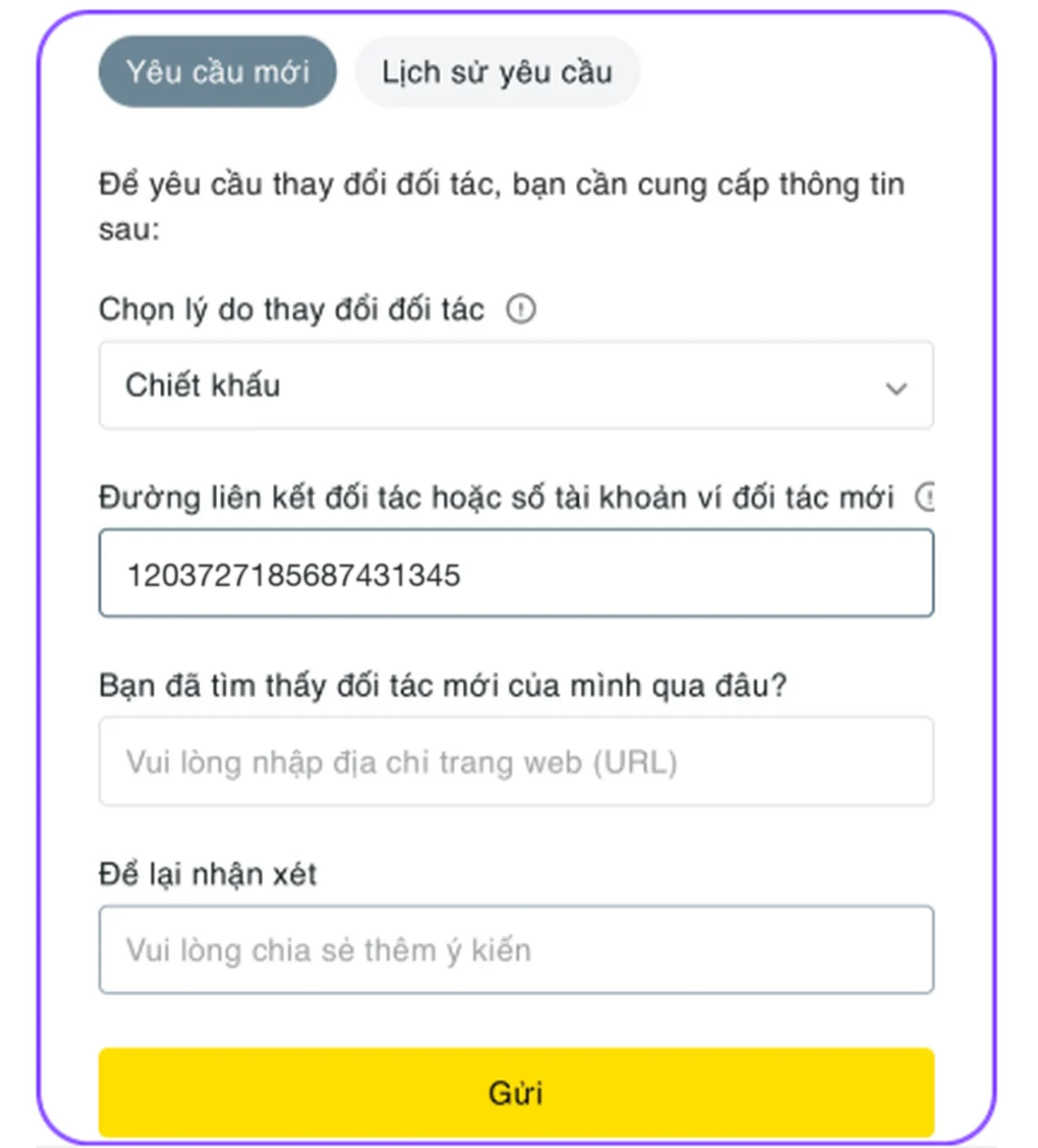
Once the request is accepted, Exness sends a confirmation email. However, trading accounts opened before the change still belong to the old partner, so the trader has to open a new trading account and use it in order to receive rebates. The IB switching process at Exness and other brokers is compared in switching IB.
Checking that rebates arrive
The simplest check is to compare two figures: closed volume and money received. First, the trader reviews order history in MT4 or MT5 to see how many lots of each symbol closed that day. Then the lots for each symbol are multiplied by the matching rate in the BackcomHub rebate table to get the expected amount.
Next, the trader opens transaction history in the Exness account to see the rebates recorded, as the screenshot below shows with real rebate entries. If the two figures do not match, the usual causes are positions still open, which are not yet counted, or trades placed on an old account that still belongs to the previous partner.
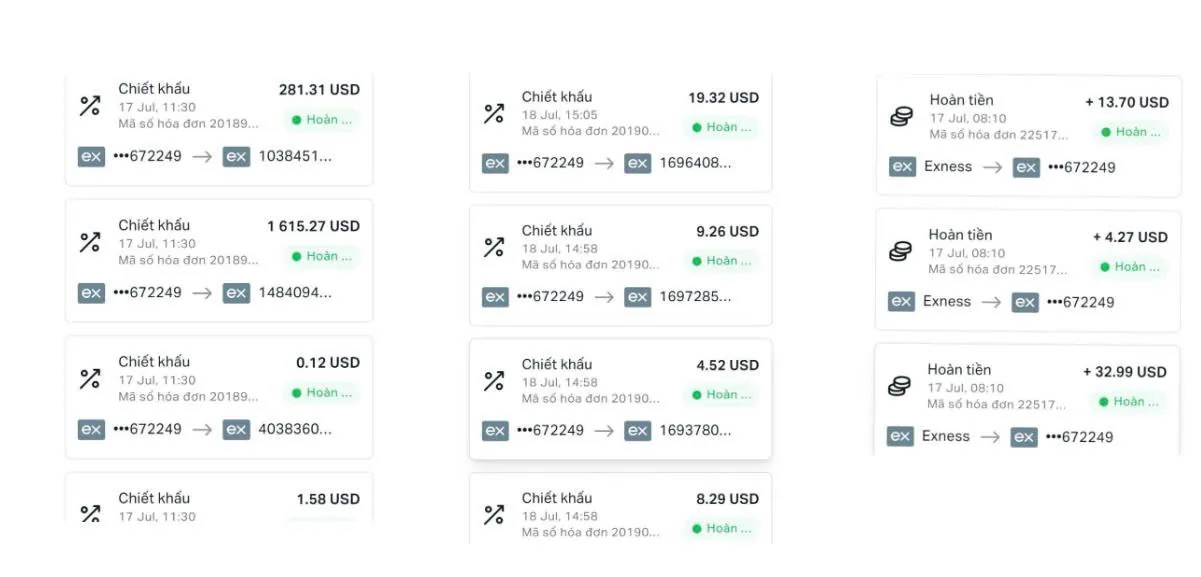
If money is still missing after ruling out those two causes, the trader should send the trading account number to BackcomHub via the Telegram or email listed on the homepage for a check. To look it up, BackcomHub only needs the account number and never a password or OTP code.
Frequently asked questions
Does joining an Exness rebate programme cost anything?
No. Tying an account to a partner is completely free; the trader only needs to register or change partner through the correct procedure.
Does a rebate change spread or leverage?
No. The rebate is calculated separately, fully apart from the broker's quoted fees, so spread, leverage and all trading conditions stay the same.
Can an older account receive rebates?
Yes, provided the account holder completes a partner change. At Exness, after the change the trader needs to trade on a newly opened trading account, because the old one remains tied to the previous partner.
How often are rebates paid?
It depends on each IB's policy, with daily or weekly being common. Exness rebates through BackcomHub are paid daily.
Which account type earns the highest rebate?
Measured in USD per lot, Standard & Cent earns the most on most symbols, while Raw Spread and Zero give rebates that are easier to reconcile because commission is separate. Even so, the figure worth comparing is real cost after the rebate, and how to compare the two account types is covered in Standard vs Raw Spread accounts.
Key points
An Exness rebate lowers the real cost of each trade without touching the account's trading conditions. The amount received depends on account type, symbol and the partner's policy, so traders need to attach the code correctly and check current rates before expecting a specific figure.
Traders without an account can register with code oc9jb1aix4, while those who already have one should change partner and then open a new trading account. The information here is educational, not investment advice, and rates may change with the broker's policy.
Sources
- BackcomHub rebate table, Exness data dated 20/11/2026, figures from dctoptrade.vn
- DCtoptrade, "Backcom Exness and how to claim it" (Exness partner change steps): https://dctoptrade.vn/kien-thuc/backcom-exness/
- DCtoptrade (screenshots): https://dctoptrade.vn/
- Exness, official website: https://www.exness.com/


